Key Points
- Medical breakthroughs can remind Christians that research, discovery, and treatment are gifts that reflect God’s wisdom and care for suffering people.
- The mystery of the human brain points believers toward humility, wonder, and trust in the God who fully knows what we only understand in part.
- Seeking answers, asking hard questions, and pursuing healing can strengthen faith rather than weaken it.
- Christians can struggle with depression, OCD, and other mental health conditions without lacking faith, and seeking help can be wise and faithful.
- Until every mind and body is made whole, believers can keep praying, researching, treating, and hoping in the God who promises final restoration.
We live in a world cursed by sin, yet our Creator has instilled inside our flawed bodies a desperation for healing. We long to be made whole, all of us. Some of us pursue this healing through Christ, others through vain vices. Regardless, it's no wonder that many people dedicate their lives to medical research in hopes of restoring the physical body. Will it ever be made perfect on this side of heaven? Certainly not. But what a gift it is to play a part in discovering antidotes and cures for diseases that cut life short or destroy its quality. Better yet, what an honor it is to practice perseverance, faith, and hope, believing in the goodness we can’t quite see, but feel deep in our souls.
Why This Brain-Scanning Breakthrough Matters
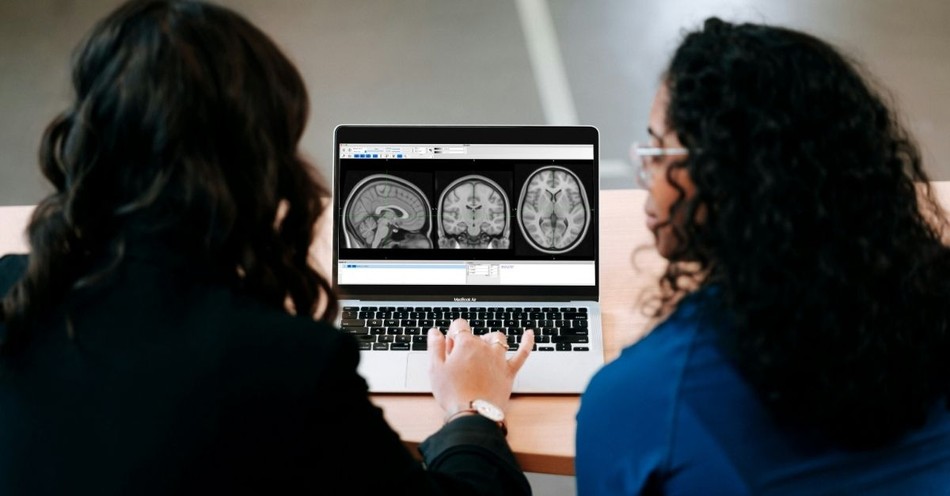
Researchers at MIT have recently developed ultra‑fast brain‑scanning technology that could revolutionise research into Alzheimer’s and other brain diseases. MIT describes the new “pencil beam” laser method as a faster biomedical imaging technique that captures 3D images of the human blood-brain barrier 25 times faster than the current gold-standard method, potentially helping researchers test whether drugs for neurodegenerative diseases reach the brain. This affirms how ingenuity reflects the Creator’s wisdom and how pursuing medical breakthroughs can be an act of love and hope that He honors. For Christians, medical breakthroughs do not replace our hope in God; they can remind us that seeking healing, asking hard questions, and persevering through suffering are part of living faithfully in a broken world.
Why the Mystery of the Brain Still Points to God
The Queensland Brain Institute admits that while science understands the separate parts of the brain and their primary functions, no one understands how these parts work together, which would explain the total function of the organ in relation to our lived experience. In other words, we don’t have a big-picture idea of the brain. We see it only in parts and pieces. This reminds me of 1 Corinthians 13:12 (NLT),
“Now we see things imperfectly, like puzzling reflections in a mirror, but then we will see everything with perfect clarity. All that I know now is partial and incomplete, but then I will know everything completely, just as God now knows me completely.”
To see the big picture and fully understand it all, both in science and in the spiritual sense, is to remove the mystery of God. When we lose the mystery, we lose the wonder. We elevate ourselves and the idea we have of our knowledge, and though we elevate ourselves, we shackle ourselves to the understanding and wisdom of man. Of course, we study, test, and discover new things, as we have with this quick brain-imaging, but this discovery has only led to more possibilities for even greater discovery. The push, drive, and passions we have are always wrapped up in not knowing, in something incomplete. To mitigate the mystery and, in turn, our ignorance is to nullify the joy of living. It takes God-given adventure out of the human experience, and who wants to live a life devoid of adventure?
Why Seeking Answers Can Strengthen Faith
It took years for me to realize that in questioning God and being puzzled by certain principles and biblical ideas, I was, in fact, seeking God. My faith is never more active than when I doubt my understanding and desperately look to Him for answers. Seeking, searching, asking, and even wrestling with what we’ve found doesn’t mean we are unintelligent, and it certainly doesn’t mean we’ve angered God. It means we’ve grown to care enough about something that it consumes our minds. It’s made us desperate for answers. And when we allow this desperation to spark innovation, creativity, and passion, we can be used for God’s glory. We can better understand deep, theological truths. We can invent revolutionary brain-imaging machinery. We can make the world a better place, richer and full and meaningful, as it was meant to be all along.
“Praise the Lord, my soul; all my inmost being, praise his holy name. Praise the Lord, my soul, and forget not all his benefits—who forgives all your sins and heals all your diseases, who redeems your life from the pit and crowns you with love and compassion, who satisfies your desires with good things so that your youth is renewed like the eagle’s.” - Psalm 103:1-5
Why Christian Hope Matters in Mental Health Struggles
I have Obsessive-Compulsive Disorder, a mental disorder in which my brain misfires panic signals and doesn’t properly emit serotonin throughout my body. This makes me a primary candidate for depression, which I was formally diagnosed with this past February. The biggest factor in how depression makes you feel is hopelessness. It doesn’t want you to see a purpose in tomorrow. It doesn’t want there to be mystery and discovery and a chance for joy. But I fight for hope, even with a diagnosis that my therapist told me, day one, “There is no cure [for].” I look for hope in the sunrise, in my sons’ smiles, and in the dandelions that grow amid the cold beginnings of spring. I look for it in church friends who drop off homemade bread and mommy fun drinks, and in people who love me enough to say, “Did you take your medicine today?”
The more I look for it, the more I find it. The more I fight for it, the more I find victory, but it’s not in the physical sense of healing. It’s in the spiritual steadiness, in the bits of heaven no diagnosis or disease can ever take from me. It’s in the promises that will lead my imperfect, frail body into glory, where I’ll never know another obsessive thought, never feel enslaved by a compulsion, and never need to take medication for something that won’t go away on this side of heaven. But isn’t that the joy we find in the unknown, in being unsure, in questioning our faith? The promise from a good God that all will be well—we just have the honor of sitting in the unknown as His gracious story for our lives unfolds.
We only doubt things we care to be true. Things we are determined to prove. If we didn’t care, it wouldn’t encapsulate our hearts and minds. So, as we discover ways to heal physical ailments that plague human brains, may we find healing for our souls. May we see that as His children, we, too, can use our hands, hearts, and minds that He gifted us with to aid others and see them made whole. Nonetheless, on days when life is hard, when sickness remains and cures seem impossible, I pray we remember where our true healing is found:
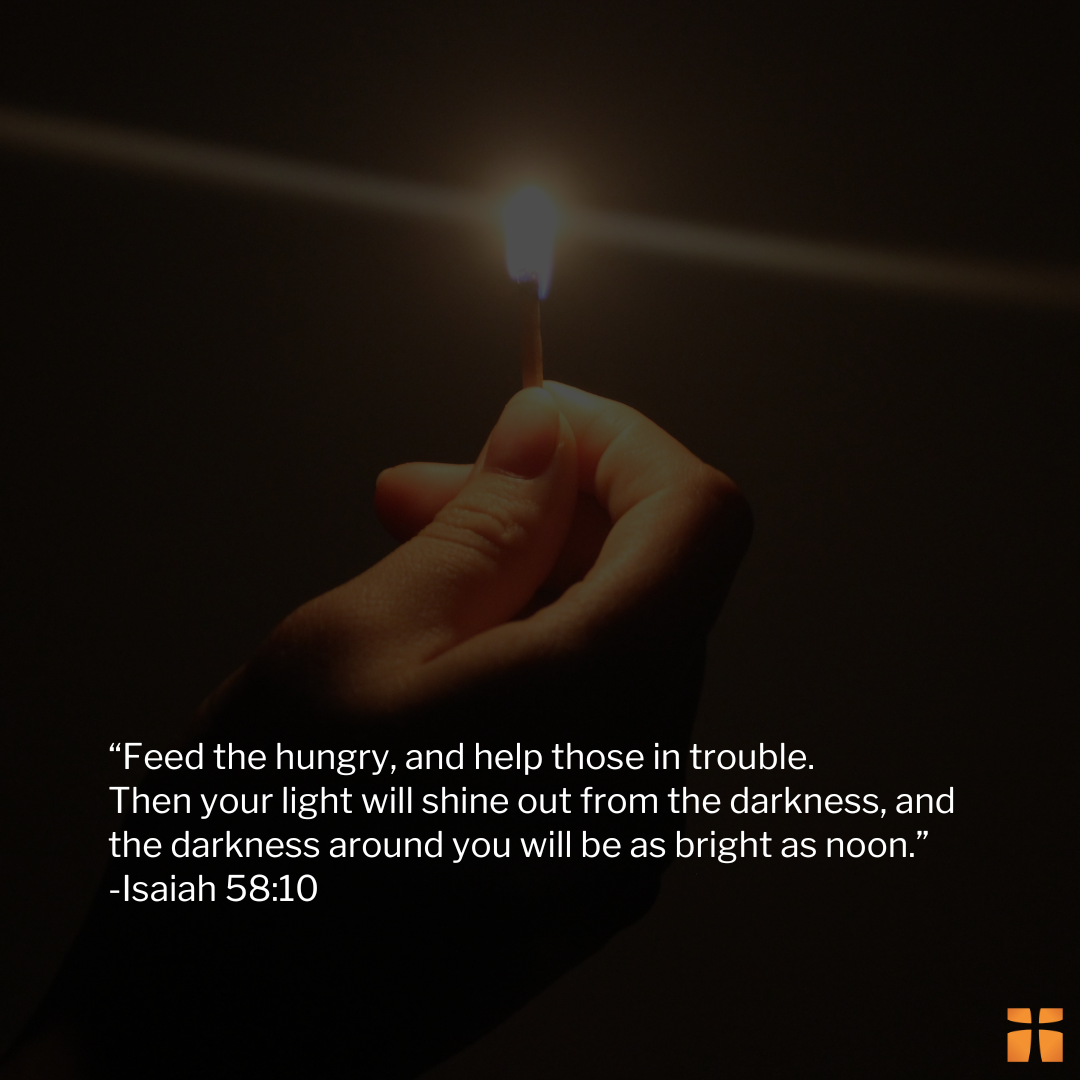
“If you pour yourself out for the hungry and satisfy the desire of the afflicted, then shall your light rise in the darkness and your gloom be as the noonday.”- Isaiah 58:10
Until every mind and body is made whole, we keep seeking, praying, researching, treating, and hoping because the God who made us is also the God who promises to restore us.
A Prayer for Peace
Father,
In a fallen world, where it’s easy to surrender hope to depression, doubt, and disbelief, may we lean into your goodness. Let us rest in your unfailing promise that all will be well—and that all is well, even now, in our souls. Grant us your incomparable peace and joy in this life, and instill wisdom and perseverance in those searching for answers to our human ailments. Thank you for gifting us with a sense of adventure and desire for your heavenly wisdom. We love you, Lord.
Amen.
Frequently Asked Questions about Medical Breakthroughs, Healing, and Christian Hope
- How should Christians view medical breakthroughs?
Christians can receive medical breakthroughs with gratitude, seeing research, treatment, and discovery as gifts that can reflect God’s wisdom and care for suffering people. - Does trusting God mean rejecting medical treatment?
No. Trusting God does not mean refusing medical care. Christians can pray, seek wisdom, use available treatment, and still place their ultimate hope in God. - Why does the mystery of the brain matter spiritually?
The complexity of the brain can remind believers that human knowledge is limited and that wonder, humility, and seeking are part of faith. - Can Christians struggle with depression or OCD?
Yes. Christians can struggle with mental health conditions, including depression and OCD. These struggles do not mean a person lacks faith, and seeking help can be wise and faithful. - Where is true healing found?
True healing is ultimately found in God, who can bring comfort, restoration, peace, and final wholeness in eternity, even when full physical healing does not come in this life.
For Further Reading
- New Research Shows the Brain Can Grow at Any Age
- Things to Know about Christian Psychology
- 8 Important Ways for Christians to Care for Their Mental Health
- How Can I Be Depressed When I Am a Christian?
- In the Treatment Plan for Trauma and Tragedy, Hope Is the First Dose
Photo Credit: ©Unsplash/Keith Tanner