Table of Contents
- Why Does the Michael Jackson Movie Matter?
- Why Does Talent Change How We See the Truth?
- Why Does Culture Choose Talent over Truth?
- What Does the Bible Say About Talent and Character?
- Can You Separate the Art from the Artist?
- How Should Christians Respond to Complicated Legacies?
- How Can Christians Watch Biopics with Discernment?
- Frequently Asked Questions by Christians About the Michael Jackson Movie
- For Further Reading
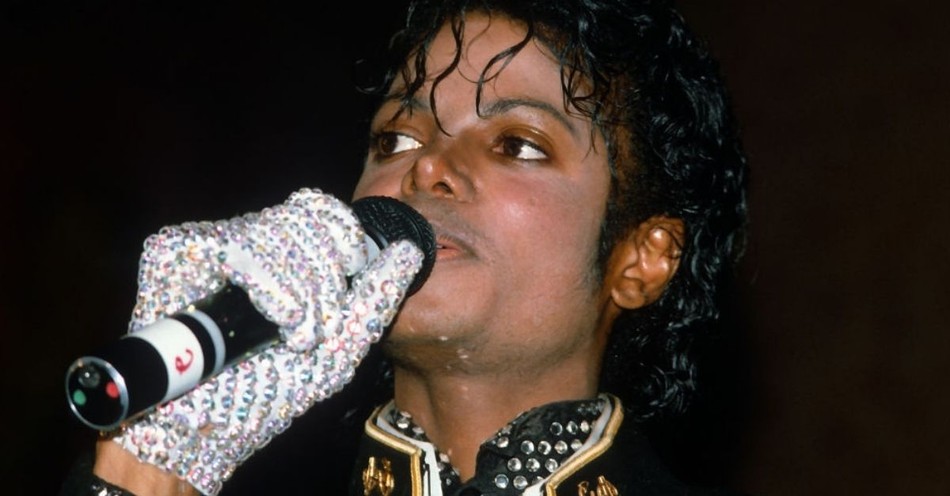
Perhaps the most famous American singer-songwriter and dancer of the mid 19th-century was Michael Jackson’s smooth moves and pop music lyrics. Breaking racial barriers worldwide and selling over 500 million records, he was one of the best-selling artists of the 21st century. With his hit works “Thriller,” “Billie Jean,” and “Beat It” topping the list, Jackson was known for blending funk, rock, and electronic pop in a way that would never go out of style. As of 2026, he’s still trending. The new Michael Jackson movie, “Michael,” directed by Antoine Fuqua (Lionsgate), shows the star's rise to fame and features his nephew, Jaafar Jackson.
“Michael” aired on April 24th, 2026, and a lot of buzz has climaxed around the anticipation, controversy, and cultural weight of Michael’s past influence on civilization. Undeniably, he had a major impact and legacy on musicians and dancers of all genres. But what do we do when someone’s talent is undeniable, but their story is complicated? Can we celebrate what’s gifted without confronting what’s broken?
The new Michael Jackson movie raises a deeper cultural question than celebrity nostalgia alone. It forces us to ask how we should respond when someone’s talent is undeniable, but their story is morally complicated. This article explores how biopics shape public memory, why talent often softens our view of truth, and how Christians can respond with discernment, honesty, and grace.
Why Does the Michael Jackson Movie Matter?
The Michael Jackson movie matters because biopics do more than entertain. They shape public memory, influence younger generations, and frame how viewers feel about complicated historical figures. In this case, the deeper issue is not only Michael Jackson’s talent, but how culture processes giftedness, allegations, empathy, and truth when a legacy remains deeply contested. According to Inside Higher Ed, a biopic is a film that dramatizes the life of a real historical figure, such as an artist, politician, dancer, or musician. These films thus foster human empathy and often alter our perception of real-life figures, as those in the past seem to have “had it all together.”
While many idolize Jackson, biopics like these certainly shape public memory, especially for younger generations. If Gen Z doesn’t know the full history, what’s not to like? The reality is that, as good as these movies might be, films don’t just tell stories, but they heavily frame them. And this presents a major tension and a flag for concern. Yes, we want to honor artistry and the hard work these individuals poured into their craft. But we also need to address real allegations and the pain they often cause. The point here isn’t just about Michael Jackson, but about how culture processes truth for all who have moved on from this life.
Why Does Talent Change How We See the Truth?
I’ve heard it said that people see what they want to see and believe what they want to believe. This applies in relationships, jobs, and everyday life. But it also applies to the talent industry and to influencers who impact our actions. Talent is a beautiful thing created by God. It creates an emotional connection, which then leads to admiration and loyalty. When someone’s gift impacts you deeply, it becomes harder to hold tension. Our feelings are met dab smack in the face with reality. And so, we tend to defend, minimize, and ignore uncomfortable truths (even if we know deep down they’re right). Sadly, the more someone’s gift has shaped us, the harder it is to question their story. And this is true across celebrity culture as a whole, not just Michael Jackson’s story.

Why Does Culture Choose Talent over Truth?
Today, society often chooses talent over truth and influence over integrity. It doesn’t matter what they did or said last night because their gifts override their actions. The risks of this behavior and its influence are that we silence victims, rewrite narratives, portray unrealistic ideals, and prioritize comfort over honesty. So instead of just consuming stories, we decide which parts we’re willing to see. Why does this happen?
First, we’re living in a world consumed by social media. Platforms like IG, TikTok, and FB favor those with large followings, push them out via the algorithm, and equate their value to power rather than truth. Second, we’re living in a society driven by instant gratification. Talent and charm are attractive and can gain immediate results. We’re drawn to these things. However, without integrity, the satisfaction doesn’t last. Finally, we want convenience over principles. We all tend to take the “easier” path just because we’re tired. We know it might not be the best choice, but our efforts to find a quicker or better substitute wane.
What Does the Bible Say About Talent and Character?
Thankfully, though Scripture doesn’t specifically mention movie stars or industry professionals, it does warn us about the tension between gifting and godliness. And no, the two things do not equal each other. Samson was greatly gifted with strength and power, but when tempted by Delilah, he compromised his morals. David was anointed by God and did many wonderful things as King, but he was also deeply flawed (engaging in adultery and murder). These two examples don’t define Samson or David as celebrity material, but their stories do illustrate 3 key points:
- Scripture doesn’t hide brokenness.
- God uses people without excusing sin.
- The Bible never confuses being gifted with being trustworthy.
Can You Separate the Art from the Artist?
While the phrase “separate the art from the artist” is well-known, I want to carefully challenge this idea. Beyond “Michael” or any other trending film or artist, we need to ask ourselves 3 questions:
- Is what they’re advocating for biblical?
- Is what they’re achieving always possible?
- Who gets overlooked when we stand for the underdog rather than for them?
Again, many celebrities and artists like Michael Jackson have done wonders for today’s society. This isn’t to take away from that. But these answers aren’t always black-and-white. And when we separate art from artist, we have to ask who pays the cost of that separation. Us? Society? Family and friends? Christ? Our relationship with Christ?
How Should Christians Respond to Complicated Legacies?
At the end of the day, we must avoid extremes in reacting to current trends and films like these. We shouldn’t hold a blind-eye celebration, but we also shouldn’t totally erase their existence from our minds. Rather, we need a balanced and healthy approach. A mature posture acknowledges talent. It gives credit where credit is due. But it also remembers who is behind that source of credit. Where did the gifts come from? This point of view takes allegations and facts seriously, while simultaneously resisting easy narratives that sound good. It extends grace, love, and mercy to broken humans all around us. Maturity is learning how to hold onto and make space for this tension. It’s not choosing sides quickly or haphazardly, but taking time to pray, discern, and learn how to respond like Christ in the process. So, what do we do with talent that’s real, and truth that’s complicated? We see it for what it is.
We thoughtfully and biblically engage. We become ethically aware and scripturally sound. But we also represent a faith that values truth over influence. Because talent may shape culture, and it will continue to do so, but The Truth is what should shape us. And only that truth matters in the end.
How Can Christians Watch Biopics with Discernment?
Christians can watch biopics with discernment, appreciating artistry without sacrificing moral clarity. That means asking what the film highlights, what it minimizes, and how it shapes sympathy, memory, and truth. It also means resisting the urge to choose either blind celebration or instant erasure. Mature discernment makes space for beauty, brokenness, grief, and accountability without confusing giftedness with godliness.
Many may debate the status of Jackson’s faith and upbringing. His story is complicated, with many highs and lows. Our job isn’t to judge or argue. But MoonWalkLegacy summarizes it this way:
“In a 1993 interview, Michael Jackson spoke openly about his faith: “I’m trying to imitate Jesus. He said to be like children, to love children, to be as pure as children, and to make yourself as innocent and humble as a child.” For all his fame and success, Jackson said his goal was to follow Christ’s example — to live with humility, purity, and love.”
And I think the same goal, to follow Christ’s example and share that love with the world, should be our highest motive as well. Famous or not.
Frequently Asked Questions by Christians About the Michael Jackson Movie
- Why does the Michael Jackson movie matter culturally?
The article argues that the movie matters because biopics shape public memory, especially for younger generations who may not know the full history behind a famous figure. - Can Christians appreciate talent without ignoring truth?
Yes. The article’s strongest point is that Christians should acknowledge giftedness while still taking allegations, pain, and moral complexity seriously. - Does the Bible separate gifting from godliness?
No. The article rightly notes that Scripture never confuses being gifted with being trustworthy. It shows that God can use deeply flawed people without excusing their sin. - How should Christians respond to complicated artists or celebrities?
Christians should respond with discernment, honesty, and maturity, refusing both blind celebration and simplistic erasure.
For Further Reading
- What Does the Bible Say about Art?
- How Can the Arts Deepen Our Experience of God’s Truth?
- 3 Dangers of Prioritizing Influence Over Integrity from Acts 8
- Is It Possible to Seek Fame and Still Glorify God?
- What Is Biblical Discernment and Why Is It Important?
Photo Credit: ©Getty Images/ Yvonne Hemsey / Contributor