Table of Contents
- Why Does Empty Entertainment Feel So Addictive?
- What Is AI Slop and Why Is It So Addictive?
- What Empty Entertainment Reveals About Our Hearts
- What Does the Bible Say About Attention and Formation?
- Why Empty Entertainment Is Not Spiritually Neutral
- What Does Empty Entertainment Reveal Spiritually?
- How Can Christians Choose Better Entertainment?
- Practical Ways to Retrain Your Attention
It's late Tuesday evening. You should be sleeping, but instead, you find yourself stuck in the dopamine loop of late-night scrolling, half paying attention, mildly amused, but not truly engaged. After a few swipes and hours have passed, a strange realization comes over you. Not only is it now 2 am, but you also find yourself asking, "Why am I watching this?" What is this, you might ask?
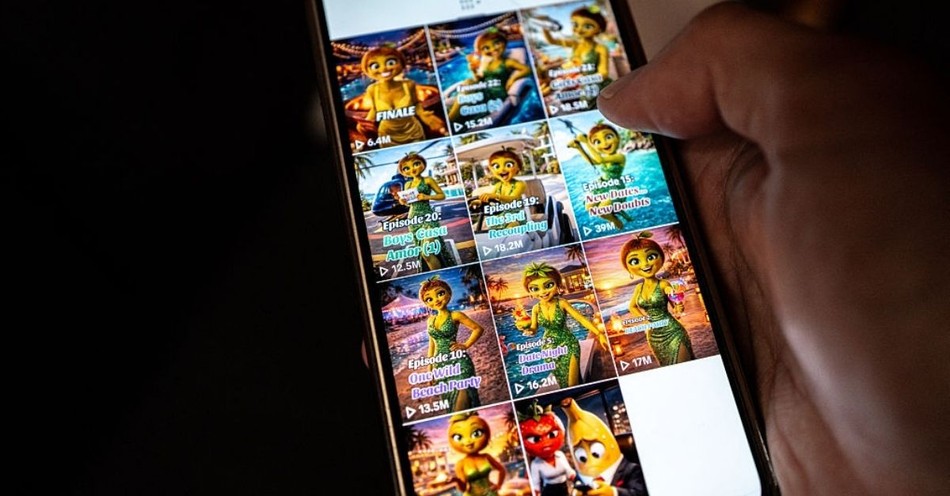
In an era of AI-generated, intentionally low-quality clips, reels, and videos, some things are obviously fake while others deceive us. At the top of the list is TikTok's newest March 2026 parody, Fruit Love Island. As an AI-generated TikTok microdrama, the show features buff fruit characters in a Love Island-style dating show. With over 300 million views and followers in just 12 days, the show is known for focusing on chaotic drama between characters like Bananito and Pinapina.
On the surface, it's an odd and somewhat absurd premise. With awkward dialogue, glitchy visuals, and clearly AI-created content, the show is crunchy yet cringeworthy. And yet, millions are watching. While it might just seem like a strange obsession, this isn't just a weird internet trend. In fact, it's happening at the exact same time people are raising concerns about "AI slop." According to CNET, AI slop is defined as "shabby imitation of content, often a pointless, careless regurgitation of existing information. It's error-prone, with summaries proudly proclaiming made-up facts and papers citing fake credentials." It's content that's designed to grab attention, but not actually nourish us.
Friends, this isn't just about what we're watching, but who we're becoming in the process. Shows like Fruit Love Island might be funny, but are we truly feeding our souls? If we are called to dwell on what is true, noble, and lovely (Philippians 4:8), what does it say about our hearts when we crave what is empty?
This article explores what viral AI-generated content reveals about our habits of attention, our craving for distraction, and the quiet ways entertainment forms the soul. Using trends like Fruit Love Island as a starting point, it asks whether what we consume helps us grow in truth, discernment, and spiritual health, or trains us to settle for what is fast, shallow, and empty.
Why Does Empty Entertainment Feel So Addictive?
Empty entertainment feels addictive because it asks very little of us while giving our minds a quick stream of novelty, distraction, and stimulation. It can feel harmless in the moment, but over time, it reshapes our attention, lowers our appetite for what is meaningful, and makes mindless consumption feel normal. That is why Christians should think carefully not only about what they watch, but also about what it is doing to them.
What Is AI Slop and Why Is It So Addictive?
As defined above, "AI slop" is called slop because it hinges on being fast, cheap, and algorithm-driven. Its content doesn't quite make sense, and yet we're drawn to it and can't stop scrolling. This kind of content prioritizes engagement over excellence because it's built to be consumed quickly rather than remembered.
Shows like Fruit Love Island matter because they're intentionally low-quality, and that's part of their appeal. It doesn't ask anything of you. You can sit back, relax, and "enjoy" the show if that's what you call enjoyment. It's easy, mindless, and requires no emotional investment. However, when we take up space in our minds with this kind of production, we've moved from storytelling to stimulation. Our culture used to aim for meaning, beauty, truth, and messages worth standing for. But now? We've aimed for retention, clicks, likes, and algorithm boosts. We aren't just consuming content; we're being trained by it.
What Empty Entertainment Reveals About Our Hearts
Sadly, there's a hard truth with this reality. This trend is actually saying less about creators and more about us as consumers. Why? Because society is known for "AI slop" and empty entertainment, but we're the ones fueling it and entertaining it. Underneath it all? Three cravings stand out:
- We crave distraction more than depth.
While it's not bad to watch shows just for enjoyment, constantly distracting ourselves from reality isn't the best way to heal and grow. When life feels heavy, we escape into nonsense. This is the typical coping skill for most of us. But this distraction doesn't heal; it temporarily numbs. - We prefer easy over meaningful.
Similar to watching shows for enjoyment rather than education, it's okay to want easy things in life. Thoughtful content does require more attention and effort. But empty content allows us to remain and stay passive. Is that truly healthy? - We've lowered our standards without noticing.
Without noticing, we, as a culture, have lowered our standards, so what once felt "bad" now feels normal and "acceptable." But constant exposure to an ever-changing, adapting world continually reshapes our expectations, for better and worse. And ultimately, we don't drift toward what is good or holy, we drift towards what is easy and convenient.
What Does the Bible Say about Attention and Formation?
Up until this point, we've looked at the metrics of what shows like Fruit Love Island mean in our lives. But if we want to get a proper view, we must look through the lens of Scripture. Why? Because Scripture doesn't just care about our behavior but also about what fills our minds. Philippians 4:8 says it this way:
"Finally, brothers and sisters, whatever is true, whatever is noble, whatever is right, whatever is pure, whatever is lovely, whatever is admirable—if anything is excellent or praiseworthy—think about such things." - Philippians 4:8, NIV
Notice that these verses say our minds are to dwell on what is true, noble, right, pure, lovely, and admirable. This isn't about perfectionism, but about the direction of the attention we give. Romans 12:2 adds that we aren't to be conformed by the patterns of this world, but transformed. Genuine transformation requires intentional input, not just aimless meandering.
"Do not conform to the pattern of this world, but be transformed by the renewing of your mind. Then you will be able to test and approve what God’s will is—his good, pleasing and perfect will." - Romans 12:2, NIV
In Proverbs 4:23, we see that both thoughts and actions flow from our hearts. This is because what we watch shapes what we love. "Above all else, guard your heart, for everything you do flows from it" (Proverbs 4:23, NIV). And yes, even the shows you watch or the things that entertain your mind count toward shaping our souls. Modern society is being shaped by AI at a rapid pace. Daily, algorithms are disciplining us. The bigger question is: Are we aware of it?
Why Empty Entertainment Is Not Spiritually Neutral
It might be common to think that silly shows like these aren't that deep and are "just for fun." I want to clarify that not all light entertainment is bad. Rest and humor are good gifts from God! The issue is that volume and repetition equal formation over time. As time passes, we become dull. Our appetite no longer craves substance, but junk for the mind. To quote a similar idea from the author of Hebrews 5,
"We have much to say about this, but it is hard to make it clear to you because you no longer try to understand. In fact, though by this time you ought to be teachers, you need someone to teach you the elementary truths of God’s word all over again. You need milk, not solid food! Anyone who lives on milk, being still an infant, is not acquainted with the teaching about righteousness. But solid food is for the mature, who by constant use have trained themselves to distinguish good from evil." - Hebrews 5:11-14
In other words, the more we consume, the less we crave what really matters. "Empty Entertainment" doesn't just dull our appetites, but it also weakens our attention spans. Sadly, this makes it harder for us to engage in good, healthy habits like Scripture, prayer, or deep conversations because they require more intellectual effort. As a result, our discernment is lowered. We stop asking, "Is this good?" and start making excuses such as "It's just an entertaining show." What we normalize, we eventually internalize.
What Does Empty Entertainment Reveal Spiritually?
At the end of the day, the deeper spiritual issues with shows like these are seen in the shift from behavior to desire. The problem isn't just what we watch, but it's what we want to watch. What does your soul truly crave? Augustine of Hippo often said, "We are shaped by what we love," and that's true. But the deeper question here is, what or who do you love most in your life? What kind of content do you instinctively reach for? What do you think about first thing in the morning? And what do these things reveal about your inner life?
If we're honest, sometimes we choose emptiness because fullness feels harder to attain. It's hard to sit in silence, make space, and listen attentively. Silence, reflection, and meaningful content (and conversations) do require more of us. But those things are worth it. Empty entertainment thrives in spiritually tired hearts, and yet God longs for more sustaining nourishment for His children.
How Can Christians Choose Better Entertainment?
Tonight, before you endlessly scroll or get trapped on IG for hours, I encourage you to ponder this: Christianity is not anti-entertainment. In fact, it's pro good, beautiful, wholesome, and meaningful enjoyment. But better entertainment exists. Could you watch stories that reflect truth or redemption? What about shows that just make you belly laugh and smile? What about content that makes you think, feel, or grow? Is there something that refreshes your soul rather than numbing it?
The goal here isn't to cut everything out but to cultivate better taste. To eat nourishing food. And just like learning to enjoy this nourishing food takes time, we can retrain our minds to enjoy richer content. This week, pay attention to your attention. Ask yourself: What am I consuming most, and how does it make me feel? Then, learn to be honest with yourself: Don't just ask yourself, "Is what I'm watching wrong?" but "Is it forming me well?"
Once you've answered these questions, set some gentle boundaries in your daily week. These aren't out of guilt, but rather intentionality. Instead of letting your feed curate you, curate your feed. Replace empty content with meaningful alternatives, rather than just removing it. Find helpful podcasts, books, thoughtful shows, and Scriptures, to name a few. And of course, remember to show yourself loads and loads of grace.
Filling our minds with right thinking isn't about shame, but awareness and alignment. When it comes to shows like Fruit Love Island, let us remember that, while they might seem harmless or even funny, they reveal something deeper about us. What are we training our hearts to love? Our habits of attention are shaping our souls, and we will become what we consistently consume, whether we recognize it or not. If someone looked at your habits of entertainment, what would they say you value most? It's convincing, isn't it? But we're not without hope. We're not stuck, and we can retrain our minds. Today, you and I can choose what is lovely, meaningful, and life-giving. And not by our might or strength, but by the power of Christ within us.
Practical Ways to Retrain Your Attention
Retraining your attention does not begin with shame, but with awareness. Start by noticing what you reach for when you are tired, bored, lonely, or overwhelmed. Then make one small change: set a boundary on mindless scrolling, replace one empty habit with something life-giving, or choose one piece of content each day that helps you think, pray, or grow. Spiritual formation often begins in small choices, and over time, those choices shape what our hearts learn to love.
For Further Reading:
- How to Guard Your Mind in the Digital Age
- 4 Ways to Filter What You Watch through the Lens of Your Faith
- Does the Media Our Kids Consume Matter?
- 3 Powerful Ways to Stop Your Thoughts from Spiraling Out of Control
- New Research Shows the Brain Can Grow at Any Age
@abcnewslive It’s "Love Island"… but make it fruit! Alicia Lyttle has all the juicy details on this new AI-generated TikTok show that follows the same format as the hit dating reality show, "Love Island," and stars AI generated pieces of fruit. #FruitLoveIsland #LoveIsland #AI ♬ original sound - ABC News Live
Photo Credit: ©Getty Images/PHILIP FONG / Contributor