Key Points
- Recess is not just extra time; it supports children’s learning, emotional regulation, social skills, creativity, and well-being.
- The American Academy of Pediatrics says recess should not be withheld, and Oklahoma now requires 40 minutes of daily recess for elementary students.
- For Christians, protecting play reflects a biblical vision of children as image-bearers made for rest, joy, relationship, and delight.
- Removing unstructured play can reinforce the false idea that worth is tied only to productivity, achievement, or performance.
- Families and schools can protect children by making room for play, Sabbath rhythms, outdoor time, and healthy rest.
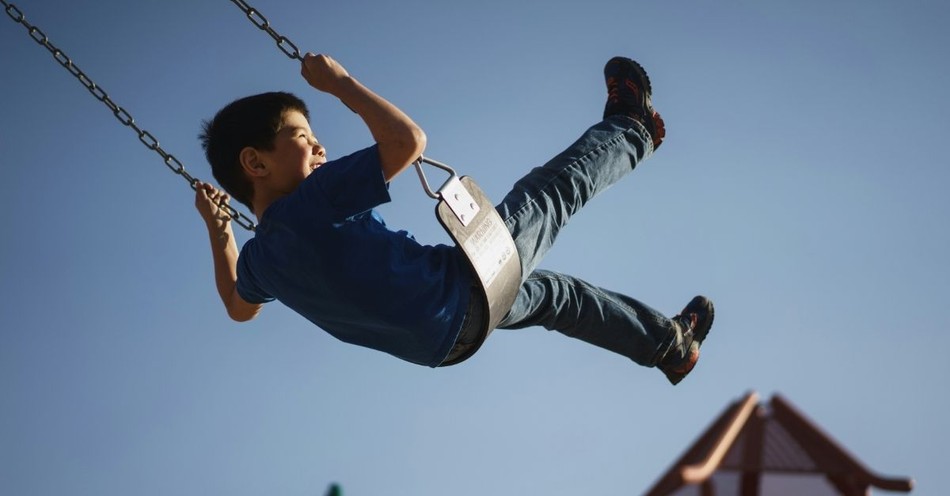
According to the American Academy of Pediatrics’ first recess guidance in 13 years, recess should never be withheld. The updated AAP policy describes recess as a vital part of child and adolescent development, including learning, social-emotional growth, executive skills, peer engagement, and well-being. Why? The study reveals that children require at least 20 minutes of unstructured play each day. While some school structures beg to differ, Oklahoma is one state that has gotten on board. In early April 2026, Oklahoma Law SB1481 now requires 40 minutes of daily recess in elementary schools. States like Ohio, however, currently permit only up to 2 15-minute recess periods per day. No matter where you live, Christians should pay attention to this renewed focus on play. How free play shapes hearts and minds, why children are more than their test scores, and how a biblical vision of Sabbath and delight can inspire us to advocate for rhythms of rest and joy in our schools and families. Because what if our struggle to protect recess says something deeper about how we see children, and even how we understand God? Protecting recess matters because children are not made only for achievement; they are made in God’s image for rest, joy, relationship, creativity, and embodied delight.
For thirteen years, the American Academy of Pediatrics has been silent on the question of play in young children. Until now. What was once withheld as punishment in traditional public schools is now required for many. Research recommends not just 20 minutes of unstructured play daily, but also allowing kids to rediscover what they were made for. Today, adults often treat play as “extra” time rather than an essential part of their and their child’s well-being. And this raises a bigger question than policy can answer: what we believe children are for.
Why Recess Matters for Children’s Development
While the AAP’s stance notes that recess isn’t optional, it argues that it’s developmentally essential. The benefits of unstructured play are innumerable: Children who participate in daily activity have healthier emotional regulation, better executive functioning and attention, steadier social skills (such as conflict resolution, empathy, or cooperation), and greater overall physical health. They may also have a more regulated nervous system, which can reduce signs and symptoms of anxiety and depression. The key, however, isn’t just making time and space for play, but allowing it to be “unstructured.”
When kids engage in free play, it’s not performance-based or directly tied to adult-directed achievement. This reduces the pressure many children feel from the increased demands of modern schooling: longer academic hours, testing in nearly every course, reduced downtime, etc. Especially when recess has been removed in the past as a punishment for behavior or poor academics. But allowing play to become negotiable breaks something fundamental about childhood.
Why Oklahoma’s Recess Law Matters for Children
This is why Oklahoma’s 40-minute law regarding recess matters. Not because it’s giving children too much time to play, but because it’s correcting a cultural error. Again, this isn’t just a policy, but a highlight of something important. Oklahoma’s SB1481 requires at least 40 minutes of recess per day for full-day kindergarten through fifth grade and prohibits withholding recess as a form of discipline.
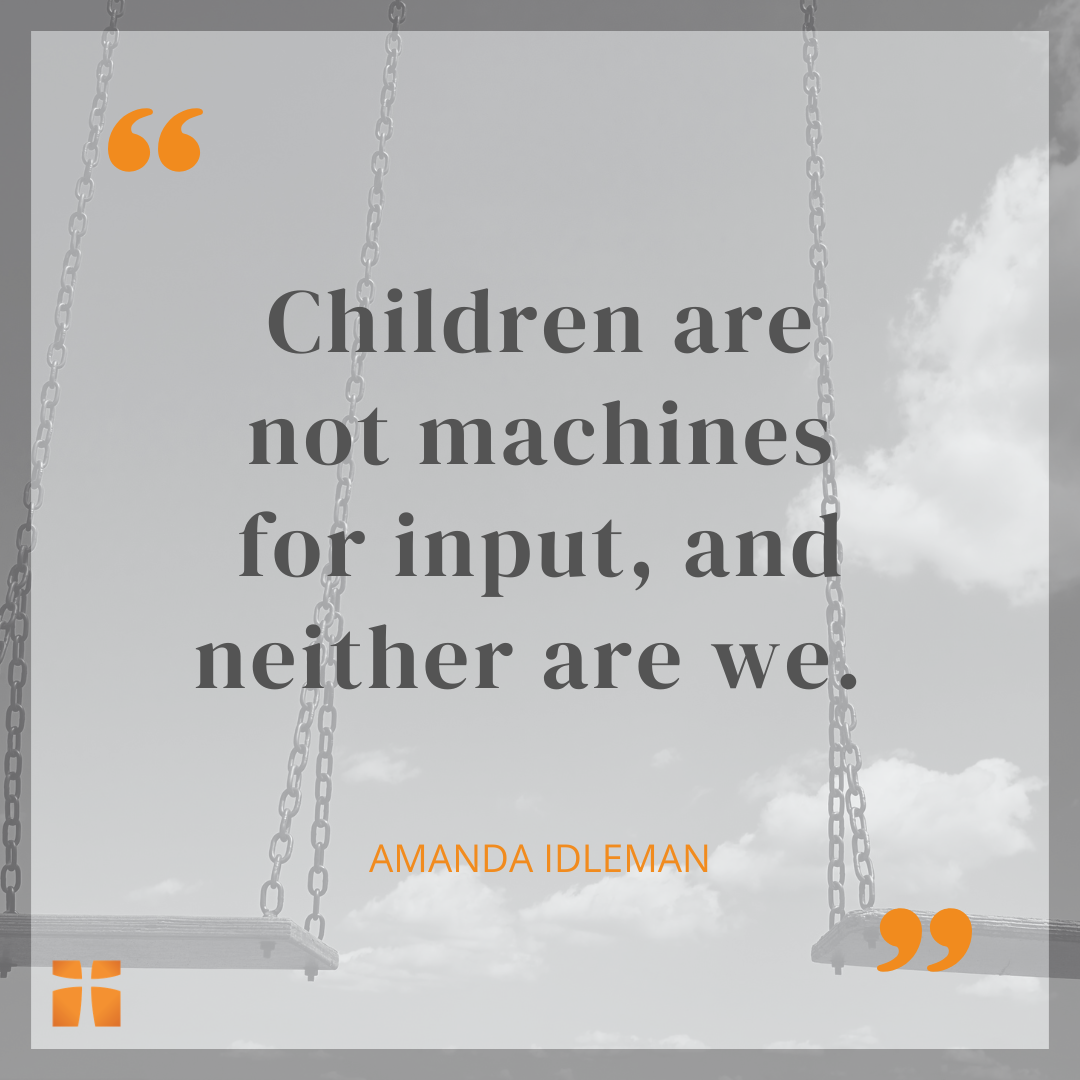
Despite living in a 21st-century world full of technology, children have forgotten how to play and be kids. Children are not machines for input, and neither are we. And just as development requires rhythm, not constant production, we must allow time and space for work and play. Over the last few decades, recessions have become less common nationally. This has increased screen time by replacing outdoor play. But beneath the policy debates lies a deeper question that Christians should be especially attentive to.
What Does the Bible Teach about Play, Rest, and Children?
In Exodus 20:8-11, the Sabbath is highlighted as a gift from God. While many choose to see this as outdated or inapplicable today, doing so foregoes the truth of the Gospel. God rests after creation in the book of Genesis, not from exhaustion but from delight. Sabbath isn’t just doing nothing; it’s a rhythm of trust and joy, not productivity. All of us are children created in the image of God. Kids aren’t just “unfinished adults,” but rather they reflect God’s creativity, curiosity, and joy. Things his children were always meant to possess, even as they grow and mature. Jesus said it this way in His discussion with the crowds about the importance of children: “Let the children come to me.”
He values, welcomes, and dignifies them. He disrupts a productivity-driven hierarchy and replaces it with divine delight. Imagination, wonder, and embodied joy are fruits of the Sabbath. And this is why rest as resistance to a productivity-only worldview is so countercultural. If we believe children are made in the image of a joyful, resting, creating God, then play is not a break from formation; it is part of it.
“Then he said, 'I tell you the truth, unless you turn from your sins and become like little children, you will never get into the Kingdom of Heaven.” - Matthew 18:3, NLT
What Happens When Children Lose Time to Play?
When we remove play, we don’t just lose our inner child; we also face greater emotional consequences. Kids aren’t the only ones to face difficulties when play isn’t a regular part of our daily routines. Without regular rest and play, emotional consequences increase. We become more restless, anxious, dysregulated, and burned out. For kids, this is even more severe socially. They have less practice in conflict resolution and more behavioral labeling than developmental understanding. On the spiritual side, we unintentionally teach that worth is tied to output, a belief we then carry into adulthood. And instead of seeing God as a delight-giver, we may even begin to view Him as a taskmaster with a never-ending to-do list. We sacrifice childhood as “preparation time” rather than sacred time, which makes the current movement to protect recess more than educational reform, but a pivotal moment of cultural repentance.
How Christians Can Protect Play, Rest, and Joy
While debates will continue to exist on the amount of play children need and how Christians should integrate the Sabbath into their lives, we need to affirm two truths:
- Play is good, not wasteful.
- Rest is formative, not optional.
Adults and children alike should take a lesson from these laws, not just in advocating for recess in schools, but in implementing a healthy balance of play and rest in their routines. Seek to protect unstructured time at home, and resist overscheduling. Success shouldn’t be measured solely by academic achievement, but also by emotional and spiritual formation. And what if we treated joy as part of discipleship?
Today, you and I can choose to see children running outside and jumping in mud puddles not as wasted time, but rather a picture of how humans are meant to live: embodied, relational, free, delighted. Work hard, absolutely, but remember Psalm 127:2 “In vain you rise early and stay up late, toiling for food to eat— for he grants sleep to those he loves” (NIV). Life is a balance of rest and play. Not completely removing one and obsessing over the other. This is a call to protect not just recess, but the sacred rhythm of rest and joy in a weary world. So enjoy His rest today. Take just five minutes. Walk outside without your phone. Do something you haven’t done since you were a child. Color a picture or play with the dog. Know that this is part of life, too. A life you were created to live and play.
Frequently Asked Questions about Recess, Play, and Biblical Rest
- Why does recess matter for children?
Recess gives children the time they need for movement, social interaction, emotional regulation, creativity, and unstructured play, all of which support healthy development. - Should recess be taken away as punishment?
The American Academy of Pediatrics says recess should not be withheld because children need unstructured play for their health, learning, and well-being. - What does the Bible say about rest?
Scripture presents rest as part of God’s design. Sabbath reminds us that human beings are not made for endless production but for trust, worship, delight, and dependence on God. - Why should Christians care about protecting recess?
Christians should care because children are made in the image of God, not merely measured by productivity, test scores, or achievement. Protecting play honors their dignity and formation. - How can families practice more rest and play at home?
Families can protect unstructured time, reduce overscheduling, spend time outside, limit unnecessary screens, and treat joy and rest as part of healthy spiritual formation.
For Further Reading
- Why Did Jesus Say “Let the Little Children Come to Me”?
- How Are Children Gifts from God?
- 5 Verses to Help Create Sabbath Rest in Our Busy Lives
- How Do We Remember the Sabbath Day to Keep It Holy?
- What Does “Imago Dei” Mean? The Image of God in the Bible
Photo Credit: ©Unsplash/Myles Tan