
Table of Contents
- What Competes with Your Identity in God?
- 1. When Roles and Responsibilities Define Your Identity
- 2. When Achievement Becomes Your Source of Worth
- 3. When Approval Shapes Your Sense of Identity
- 4. When Culture Competes with God’s Truth
- 5. When Your Past and Labels Distort Your Identity
- How Do You Find Your Identity in God?
- What Does the Bible Say About Your Identity in God?
- How to Live from Your God-Given Identity
- The Freedom of Knowing Your Identity in God
- Frequently Asked Questions about Finding Your Identity in God
- For Further Reading
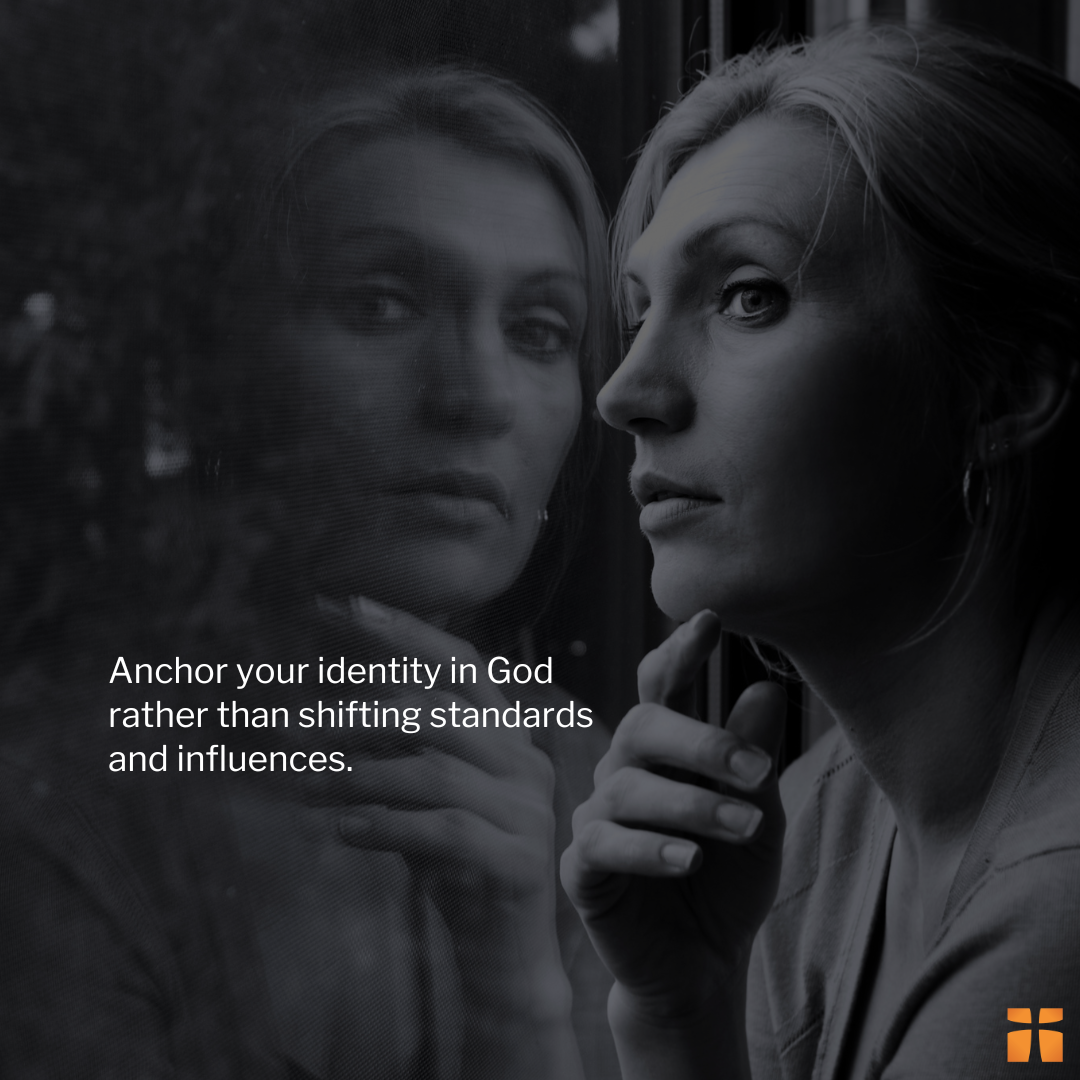
We all sometimes wonder if we’re good enough, if we belong, or if we matter. We feel pressure to prove ourselves and live a life that’s considered successful. When we’re tempted to measure our value by what others think of us and our place in this world, we begin to question who we are or feel altogether invisible. As we feel the pull of the many things competing to define us, it’s essential to anchor our identity in God rather than shifting standards and influences. Finding your identity in God means letting His truth define your worth, purpose, belonging, and future more than any role, achievement, opinion, culture, or past mistake.
What defines identity is not simply what you say about yourself or what others say about you. It’s not just about where you come from or where your life is headed. What influences our identity is subtle and multi-layered, gradually shaping how we see ourselves over time. Whether it’s relationships, environments, voices, rewards, desires, fears, or any number of other things, when we begin to internalize the messages they send, a misplaced identity forms.
What Competes with Your Identity in God?
Where we place our focus often determines what shapes our identity. What we give our attention to begins to define our view of ourselves and also influences our decisions. Our sense of identity is then reinforced over time as we experience progress, results, success, or acceptance. Here are some of the most common areas that compete to define who we are.
1. When Roles and Responsibilities Define Your Identity
Our roles and responsibilities can affect our self-perception from an early age. How we think about ourselves is shaped by expectations from family and school. Maybe you were called the dependable friend or the oldest sibling. Perhaps you were known as a high-achieving student or a natural leader. Later in life, you may take on roles of spouse, parent, professional, volunteer, or caregiver. Serving in ministry or the community can also influence how others see us. What we do has meaning, but if we place our value in titles and tasks, our view of our identity can become unclear. Life changes when we graduate, change careers, retire, or our children leave home. Leaving what’s familiar can cause us to feel anxious or doubt our significance. If our self-view shifts when our season of life does, we can lose sight of the truth of who we are in God.
When we define our identity by roles and responsibilities, we find ourselves wondering, “Who am I now?” What influences shape our identity can become more complex when we also begin to measure ourselves by how well we perform.
2. When Achievement Becomes Your Source of Worth
Grades, competition, and awards mark successful performance during our school years. Career advancement, ministry impact, parenting success, and other measurable outcomes become the focus when we become adults. Accomplishments, progress, and recognition are positive signs of growth, but when they begin to determine our worth, we live under constant pressure to produce. The next level rarely feels adequate, so we exchange our peace from God for pushing forward, often experiencing burnout, fear of failure, and performance anxiety.
When we define our identity by productivity and achievement, we begin asking ourselves, “Am I good enough?” Beyond our performance, sometimes our identity is shaped by how others respond to us.
3. When Approval Shapes Your Sense of Identity
No matter our stage of life, we all know the desire for acceptance and the pain of rejection. Belonging matters, whether the social circles we’re in or want to be a part of are in grade school, college, church, or the workplace. Sometimes we not only want to be included but also long for others' approval.
When we base our personal value on the need to feel liked, accepted, or validated, we can experience a loss of identity as we build a habit of conforming and people-pleasing rather than living in ways that honor godly values and align with our authentic selves. Our emotional well-being and even life direction tend to be negatively impacted when relationships become unhealthy or end altogether. When we define our identity by belonging and approval, we start to think, “Am I worthy?” Another influence on our identity is the constant stream of messages we receive from the world.
4. When Culture Competes with God’s Truth
The voices, images, and conversations in the media and our culture can either be subtle or strong influences on us. We’re always consuming messages from news, entertainment, communities, leaders and influencers, social media, written commentary, and streaming content. They are all competing for our attention. They battle for our allegiance about what matters, what is true, and what is right. Repeated ideas can shape our thinking the more we are exposed to them. Debates and narratives can feel impossible to ignore and may even desensitize us to important issues.
As cultural values shift, the standards for what is praised or criticized also change. The temptation is constant to pursue the image, lifestyle, and signs of success we see around us. We feel pressure to be like others, choose a side, or take a stance. It’s easy to start to blur the lines between who we are and how society expects us to look, live, and think. We risk finding our identity within the movements or trends around us instead of in God’s unchanging truth. Our loyalty can feel divided as we experience the tension between following what’s popular and being willing to stand out.
When we define our identity through media and culture, we question not only what we believe, but also who we are and may wonder, “Who am I supposed to be?” Some of the strongest influences on our identity don’t come from the outside but instead from the inside.
5. When Your Past and Labels Distort Your Identity
We sometimes replay past disappointments, mistakes, or failures, even as we’re moving forward. Memories of painful experiences or critical words spoken to us weigh heavily on our hearts and minds. Lingering regret, guilt, or shame can distort how we see ourselves. Over time, we may begin to believe our shortcomings, weaknesses, and perceived limitations determine our path and potential rather than God’s guidance and grace. If we internalize the negative labels we’ve given ourselves or those others have given us, we begin to doubt our identity and purpose, and even God’s promises. Believing we’re not capable and therefore our calling is not possible, we grow discouraged and lose hope.
When we define our identity by our past and the labels we’ve accepted, we struggle to envision the present and future God intends, wondering, “Is this who I’ll always be?” We were never meant to let these competing influences define our identity. We were created to find our identity in God.
What Does the Bible Say About Your Identity in God?
Who in the Bible struggled with identity? Throughout Scripture, we see examples of men and women defining themselves by the same kinds of things that compete to shape our identity today. Yet God pointed them to their true identity in Him.
- Martha was fretting about her role as host and all the preparations when Jesus came to her home. He redirected her focus from responsibilities to resting in His presence (Luke 10:38-42 NIV).
- Paul stopped defining himself by his achievements and embraced his worth and growth in Christ (Philippians 3:3-9 NIV).
- Peter denied being with Jesus because he was afraid of rejection and losing the approval of others. Jesus later reinstated him, showing that he still belonged and had purpose in God’s Kingdom (Luke 22:54-62; John 21:15-19 NIV).
- Daniel chose to be faithful to God rather than follow what culture expected of him (Daniel 1:8 NIV).
- Gideon doubted his ability to carry out God’s plan because he labeled himself as the least of the weakest clan. God saw him as a “mighty warrior” and assured him that He would be with him to defeat the Midianites (Judges 6:11-16 NIV).
Their stories remind us that when you find your identity in God and what He says about who you are, you can more fully live the life and purpose He has for you. You begin to see yourself and your life through His eyes.
How to Live from Your God-Given Identity
How do you find your identity in God? It starts with recognizing the voices competing to define you and intentionally seeking the truth of who God says you are. As we lean into God’s presence, we begin to see our worth, value, and significance from His perspective instead of the world’s. We build the courage and confidence to step into what He is calling us to do. As we look to Jesus's example, we grow in humility, obedience, and contentment so that we more consistently reflect God’s will in our lives rather than the expectations of others. While we grow into more of who God says we are, we also encourage others with the love of Christ. As we listen for the guidance of the Holy Spirit, God’s wisdom directs our steps instead of the influences and messages around us. When we follow God’s plan for us, we live with more passion, fulfillment, and impact. Believing what God says about us is the foundation of embracing our God-given identity.
What Does the Bible Say About Your Identity in God?
Knowing your identity in God begins with understanding what God says about you. What does the Bible say about our identity? Scripture reminds us that our identity is not based on other people’s opinions or changing circumstances. Who we are is rooted in our relationship with God, and what He says is true about us.
- You are intentionally designed by God (Psalm 139:13-14 NIV). Your worth comes from being His unique creation rather than from your roles in this world.
- You are created for God’s purpose (Ephesians 2:10 NIV). Your significance is reflected in pursuing His will, purposes, and calling for your life instead of in levels of achievement.
- You are an unconditionally loved child of God (Romans 8:16-17, 38-39 NIV). Your value is found in belonging to Him, not in seeking the approval of others.
- You are made new in Christ (2 Corinthians 5:17 NIV). Your life now reflects who you are in Christ and not your past or any labels placed on you.
- You are transformed by God’s truth (Romans 12:2 NIV). Your perspective is shaped by God’s unchanging truth rather than by the media's messages or the pressures of culture.
While Scripture provides guidance on how to find your identity in God, being intentional with your daily choices helps you to live aligned with that identity.
How to Live from Your God-Given Identity
Things that define your identity in the world will always compete for your attention. How do you live out your God-given identity when so much is demanding your attention? Let what God says about you guide your thoughts and attitudes. Let what God asks of you guide your decisions and actions. Walking in your God-given identity means aligning your focus with God’s will and ways.
- See your roles separate from yourself.
Who you are brings value to everything you do. - Measure success as God does.
You are successful when you are faithful to what God is calling you to do. - Seek God’s approval above all.
Pleasing God always matters more than pleasing people. - Compare messages with God’s truth.
Let God’s Word and wisdom guide what you believe and follow. - Release the weight of your past.
God can use you right where you are, just as you are.
These choices help you to live with greater clarity and confidence about who you are in God.
The Freedom of Knowing Your Identity in God
When your identity is grounded in what God says about you, the pressure to conform, prove yourself, or impress others fades. As you continue seeking God’s truth and direction, you become free to grow into the person He made you to be and carry out the works He created you to do. The more you return to what God says is true, the less power competing voices have to name you, pressure you, or limit what God is doing in your life.
Frequently Asked Questions about Finding Your Identity in God
- What does it mean to find your identity in God?
Finding your identity in God means receiving your worth, purpose, belonging, and direction from what God says about you rather than from roles, achievements, approval, culture, or your past. - What does the Bible say about our identity in God?
The Bible teaches that we are created by God, loved as His children, made new in Christ, created for His purpose, and transformed by His truth. - Why is it hard to live from your God-given identity?
It can be difficult because relationships, responsibilities, success, media, culture, fear, shame, and past labels constantly compete to define how we see ourselves. - How can I remember my identity in God daily?
You can remember your identity in God by reading Scripture, praying for God’s perspective, measuring success by faithfulness, seeking God’s approval above others’, and rejecting labels that do not align with His truth. - Is identity in God the same as identity in Christ?
They are closely connected. Identity in Christ emphasizes who believers become through Jesus, while identity in God also includes being created, loved, known, guided, and called by Him.
For Further Reading
- My Identity in Christ: Bible Meaning and List of Traits
- 5 Truths to Embrace about Your Identity as a Child of God
- How Does Your Relationship with God Shape Your Identity?
- What Does God Say about Me?
- What Does the Bible Say about Seeking the World’s Validation?
Photo Credit: ©Unsplash/Jinsheng Bian

Connect with Arris on her website, https://liveinspiredbypurpose.com/, or through Facebook, Instagram, Linkedin, and YouTube.