
Divorce is a tragic ending to a love story that was intended to go the distance. Nonetheless, there are times when divorce may be the safest or most faithful way forward to handle a relationship that has become unsafe and unsustainable. Divorce is often misunderstood in the Christian world as our faith champions long-lasting marriages, but upholding marriage should never require someone to remain in danger or enable ongoing harm. At times, the most loving response is to help someone seek safety, wise counsel, and, when necessary, separation or divorce so a couple can find freedom from an incredibly difficult relationship dynamic.
Scripture treats divorce as serious and painful, but it never teaches that divorced believers are beyond God’s forgiveness, belonging, healing, or future purpose. God is faithful to walk with us through every trial we endure in this life. There is no condemnation for believers. Divorce is never God’s ideal, but neither is lifelong shame or pain. The Bible invites us to embrace God’s plan for healing, redemption, and renewed purpose.
Scripture treats divorce as serious and painful, but it never teaches that divorced believers are beyond God’s forgiveness, belonging, healing, or future purpose.
Photo Credit: ©GettyImages/AntonioGuillem


1. Is Divorce the Unforgivable Sin?
Some divorced Christians feel they have been forever disqualified from God’s grace. They are walking around with the false belief that divorce is a sin that is beyond God’s grace and redemption. Scripture actually tells us that God’s forgiveness extends to all who repent and trust Him. Even if our sin led to the ending of a marriage, God’s grace is enough to cover our sin. No sin is singled out as being beyond Christ’s atoning work.
Key Scriptures
- 1 John 1:9
"If we confess our sins, he is faithful and just to forgive us our sins and to cleanse us from all unrighteousness." - Romans 8:1
"There is therefore now no condemnation for those who are in Christ Jesus." - Psalm 103:10-12
"He does not treat us as our sins deserve or repay us according to our iniquities. For as high as the heavens are above the earth, so great is his love for those who fear him; as far as the east is from the west, so far has he removed our transgressions from us."
Application
Divorce may involve sin, pain, or circumstances beyond our control, but God’s forgiveness remains available to us. We can walk forward in freedom rather than carrying lifelong condemnation. Jesus sets us free when we ask for his forgiveness and grace.
Photo Credit: © Getty Images/Ridofranz

2. Does Divorce Mean Someone Has Failed God?
Divorce involves two people who are navigating complicated circumstances. At times, abuse, abandonment, addiction, or persistent sin can lead to the failure of a marriage. The Bible recognizes that there are situations in which a relationship breaks down despite one partner's loving faithfulness.
We cannot control our partner, nor can we fully predict how they may respond to life’s stressors. We cannot force our spouse to repent, get the help they need, or be honest in a marriage. When our spouse fails to remain faithful to us, we have to trust God to provide for us as we step away from our marriages. When there has been a chronic pattern of breaking trust in a relationship, staying in the relationship often enables the sin to continue. We can be comforted when we have to make these tough decisions, that God knows the whole story, he knows our hidden suffering, and he loves us through these tough circumstances.
Key Scriptures
- 1 Samuel 16:7
"The Lord does not look at the things people look at. People look at the outward appearance, but the Lord looks at the heart." - 1 Corinthians 7:15
"But if the unbeliever leaves, let it be so. The brother or the sister is not bound in such circumstances; God has called us to live in peace." - Psalm 34:18
"The Lord is close to the brokenhearted and saves those who are crushed in spirit."
Application
If you are in a community of believers, avoid making assumptions about someone’s divorce. Divorce is a complicated and heartbreaking thing to walk through; grace and compassion should always be extended.
Photo Credit: ©Getty Images/KatarzynaBialasiewicz

3. Are Divorced Christians Second-Class Believers?
The church can unintentionally marginalize divorced individuals when they don’t make space for them in its communities. Churches need to make sure their emphasis and support for family life and marriage do not overlook or push away those who may be single or divorced. Many who are navigating life post-divorce truly need a strong faith community to rely on. Churches need to offer programs, groups, messaging, and more that make space and consider those who have walked through a divorce.
The Bible teaches that every believer’s true identity is found in Christ. God’s family is built on grace. Perfection is not required to be part of the church or to be a follower of Jesus. He loves us right where we are.
Key Scriptures
- Galatians 3:28 - There is neither Jew nor Gentile, neither slave nor free, nor is there male and female, for you are all one in Christ Jesus.
- Ephesians 2:19 - Consequently, you are no longer foreigners and strangers, but fellow citizens with God’s people and also members of his household.
- 2 Corinthians 5:17 - Therefore, if anyone is in Christ, the new creation has come:[a] The old has gone, the new is here!
Application
Churches should actively make sure they are welcoming, discipling, and making space for divorced believers. Faith communities must emphasize finding one's worth in Christ rather than focusing on marital status.
Photo Credit: ©iStock/Getty Images Plus/byakkaya
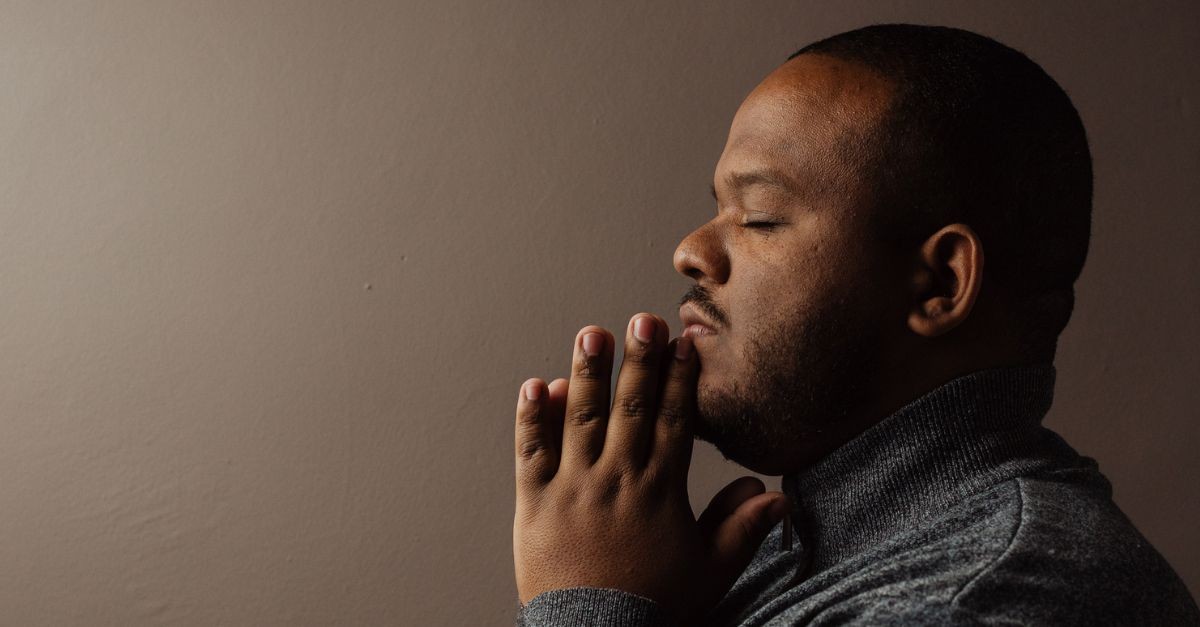
4. Can God Still Use Someone after Divorce?
Some may wonder whether their ministry opportunities have ended once their marriage has ended. God is so gracious as to never waste our pain. He uses what we’ve been through to help us grow, change, and sometimes better help others who are walking through similar struggles. Our stories, both the good and bad, are for his glory!
Throughout scripture, we repeatedly see God use imperfect people with complicated pasts. For example, King David, who was known as a man after God’s own heart, had many wives, committed adultery, murdered to cover his sin, and more! Nothing can separate us from the love of Christ (Romans 8:38). Redemption is a recurring theme throughout scripture, and God is still at work today!
Key Scriptures
- Joel 2:25
“I will repay you for the years the locusts have eaten—the great locust and the young locust, the other locusts and the locust swarm— my great army that I sent among you." - John 4:39-42
Many of the Samaritans from that town believed in him because of the woman’s testimony, “He told me everything I ever did.” So when the Samaritans came to him, they urged him to stay with them, and he stayed two days. And because of his words, many more became believers. They said to the woman, “We no longer believe just because of what you said; now we have heard for ourselves, and we know that this man really is the Savior of the world.”
Application
Painful chapters in our stories do not disqualify us from doing future work in God’s kingdom. God never wastes our pain. He often uses our healed wounds to minister to others. Divorce is a painful reality in our fallen and chaotic world, but it is not the final word in a believer’s story! Oftentimes, divorce is the best path forward to end a really harmful pattern of sin from continuing. Scripture never minimizes the seriousness of a broken relationship, but it repeatedly emphasizes God’s mercy, grace, and restoration!
Photo Credit: ©Getty Images/Igor Alecsander

How Should the Church Care for Divorced Christians?
The church should help people pursue safety, truth, repentance, wise counsel, and, when necessary, separation or divorce. Christians are called to uphold biblical truth while also extending Christlike compassion in every circumstance. God’s message remains the same: there is hope, forgiveness, and a future in Christ! The church should be a safe place for us to find healing and support. Churches should not be known for reinforcing stigmas but for reflecting the heart of Jesus towards those carrying heavy burdens.
Frequently Asked Questions about Divorce Shame and Scripture
- Is divorce the unforgivable sin?
No. Divorce is painful and may involve sin, but Scripture does not teach that divorce is beyond the forgiveness and grace of Christ. - Does divorce mean a Christian failed God?
Not always. Divorce can involve complicated realities such as abuse, abandonment, addiction, betrayal, or persistent unrepentant sin that one spouse cannot control. - Can divorced Christians still serve in the church?
Yes. Divorced Christians are not second-class believers. Their identity is in Christ, and the church should help them heal, grow, and serve in accordance with God’s grace and wisdom. - Can God use someone after divorce?
Yes. Divorce is not the end of a believer’s story. God can redeem painful chapters and use healed wounds to encourage and minister to others. - How should churches care for divorced believers?
Churches should offer truth, compassion, safety, discipleship, community, and practical support rather than shame, gossip, or assumptions.
For Further Reading
- 4 Reasons the Church Must Rethink How it Treats the Divorced
- What Are Biblical Reasons for Divorce?
- When Is it Okay for Christians to Consider Divorce?
- Dealing with Guilt, Shame, and Social Stigma of Divorce
- Is it Ever a Sin to Stay Married?
Photo Credit: ©Getty Images/Delmaine Donson

Originally published Tuesday, 16 June 2026.

Was this resource helpful? Add Christianity.com as a trusted source for Biblical content.