
There may be unity within the Body of Christ on some core doctrines, but there is still much that Christians debate and disagree on—from theological issues to cultural convictions to what is or isn't a sin.
Many Christians believe and argue passionately on these topics, and many of these issues have very real implications for the lives of believers and those with whom they interact.
Let’s explore some of the most-debated topics among Christians today. Hopefully, looking at these issues will give us a greater understanding of the issues facing Jesus’ followers today and how we can extend grace and empathy to those who may hold different convictions than ourselves.
Here are the top 10 issues Christians are still debating.
Photo Credit: ©iStock/Getty Images Plus/AntonioGuillem


1. Same Sex Weddings—How Should Christians Respond?
This is certainly a hot-button issue among many Christians. There are those Christians and churches on one end of the spectrum who fully embrace same-sex weddings and believe supporting same-sex couples is a mark of love and acceptance. However, many Christians point to Scriptures that condemn homosexuality and believe that supporting same-sex marriage is unbiblical and ultimately falls short of telling people the truth. Real life questions Christians wrestle with when it comes to this topic include, “Should you attend a same-sex wedding if you are invited?” and “Should Christian business owners have to serve same-sex couples who are wedding planning?”
Read more and join the discussion HERE.
Photo credit: ©GettyImages/Dolgachov
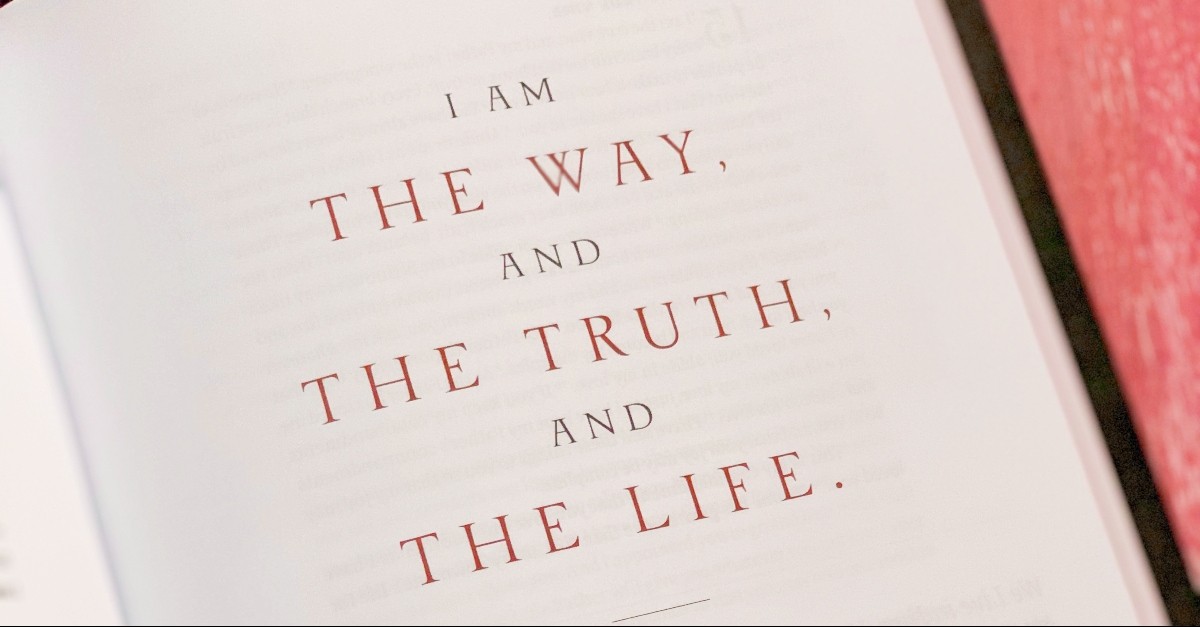
2. Is Jesus the Only Way? A Response to Pope Francis’ Statement
Jesus’ statement from John 14:6 that “I am the way and the truth and the life. No one comes to the Father except through me” caused controversy when he said it, and continues to engender debate to this day.
It is a bold, black-and-white statement which many Christians strongly affirm, knowing that our hope is only in Jesus and the work he accomplished for us on the cross. However, others within the Christian community take a more nuanced stance. For example, in 2024, Pope Francis made headlines with his statement that “All religions are a path to God.” While some applauded his ecumenical approach, many Christians refuted his statement with biblical evidence.
Read more and join the discussion HERE.
Photo Credit: ©Unsplash/timwildsmith

3. Did Judas Go to Heaven?
Judas’ very name is synonymous with betrayal. He is infamous for agreeing to hand Jesus over to the religious authorities and for betraying him with a kiss. After Jesus is crucified, however, Judas feels deep remorse and refuses to take the 30 pieces of silver for which he had agreed to betray Jesus. He then kills himself before he can witness Christ’s resurrection.
Does Judas’ remorse show a glimpse of repentance or is it simply despair? We can never truly know the state of Judas’ heart, and it’s true that Jesus refers to him as “the one doomed to destruction” (John 17:12), but is it possible for Judas to be redeemed?
Read more and join the discussion HERE.
Photo Credit: ©iStock/Getty Images Plus/gabrielabertolini
4. Is it a Sin for Christians to Get a Tattoo?
Many Christians who believe it is a sin to get a tattoo point to Leviticus 19:28, which states, "Do not cut your bodies for the dead or put tattoo marks on yourselves. I am the Lord.” However, other Christians who believe the issue of whether or not it is a sin to get a tattoo is more of a personal conviction and not a biblical mandate, point out that if we are to follow this rule in the Old Testament book of Leviticus, then, to be consistent, it is incumbent upon us to follow all the other Old Testament rules as well—most of which we do not ordinarily follow today.
“[Leviticus] also dictates how to cut your hair and when you can eat fruit from a tree….” writes one Crosswalk Forums user, “Do you follow these prescriptions?”
This issue is sometimes a cultural or generational one. Many younger Christians are more lenient when it comes to getting tattoos or even have tattoos themselves—often ones of crosses, Bible verses, or other marks of their Christian faith, while older generations sometimes take a stricter view when it comes to tattoos. This debate can easily tread into legalistic territory and it’s important for Christians to maintain grace and a loving response when engaging with those who may have different convictions.
Do you agree? Read more and join the discussion HERE.
Photo Credit: ©iStock/GettyImages Plus/ideabug
5. Why Did God Choose Israel to Be His Chosen People?
It is clear from Scripture that God did not choose the nation of Israel because they were particularly holy or good at obeying him. They often turned to idol worship, and even down to Jesus’ day, we see how the Jewish leaders failed to see God and his mercy toward them, even when he was in their midst in the flesh.
So, why did God choose Israel? Many Christians believe that God chose Israel not due to their merits, but because of his covenantal love and sovereign will to Abraham and other patriarchs. Many also believe that God’s love for Israel goes beyond the people themselves and extends to the modern-day nation of Israel, and that this people and land have a special role to play in the end times.
“God’s choice of Israel as His ‘chosen people’ was not based on their greatness, righteousness, or merit, but solely on His sovereign will, covenantal love, and redemptive purpose for the entire world,” notes one Forum user.
Read more and join the discussion HERE.
Photo Credit: ©Getty Images/Paul Souders

6. Did Jesus Actually Descend into Hell When He Died?
It is a core doctrine of Christian belief that Jesus was crucified, died, was buried, and rose again on the third day. What is not talked about as often are Scripture passages that say he “preached to the spirits in prison” (1 Peter 3:19) or “descended into the lower parts of the earth” (Ephesians 4:9). Some Christians take passages like these to mean that Jesus actually went to Hell after being crucified and before he was resurrected. Even well-established Christian creeds like the Apostles’ Creed state that Jesus “descended into hell.”
This question quickly brings up the follow-up question of what, exactly, the Scriptures are referring to when they say “hell,” “lower parts of the earth” or “spirits in prison.” Some note that the Bible sometimes uses the words “Gehenna,” or “Abraham’s Bosom” to refer to hell or a place that is not heaven but not earth.
Read more and join the discussion HERE.
Photo Credit: ©iStock/Getty Images Plus/ginosphotos

7. Does the Bible Support or Condemn Illegal Immigration?
The topic of illegal immigration is one of the most politically contentious topics of our time, and naturally, Christians seek to have the Bible weigh in on this topic. Many Christians point to passages and laws in the Old Testament that provide protections for immigrants and foreigners. Leviticus 19:33-34, for example, states, “When a foreigner resides among you in your land, do not mistreat them. The foreigner residing among you must be treated as your native-born. Love them as yourself, for you were foreigners in Egypt. I am the Lord your God.”
Some also note that Jesus, Mary, and Joseph could be viewed as refugees in Egypt when they had to flee King Herod’s wrath (Matt. 2:13-15). The question then becomes, “How should we view illegal immigration in light of this?”
One Forum user notes that “[W]hile the Bible promotes compassion and aid for the foreigner, it does not support actions that disregard or undermine the laws of the nation they enter. Because if they do they end up in jail.”
Do you agree? Weigh in HERE.
Ultimately, as Christians, we are citizens of heaven, but what we believe about God’s Word and our neighbors here on earth will greatly affect what political policies we will and won’t support and how we believe we can best pray, “on earth as it is in heaven.”
Photo credit: ©Getty Images/Naeblys

8. What Does the Bible Say about Smoking Weed?
As many states made marijuana legal, Christians had to grapple with what Scripture says about smoking weed. Similar to a discussion on drinking alcohol, this debate often comes down to a matter of conscience for many Christians, with many noting that, if someone partakes, it must be done in moderation and should never cause someone else to stumble.
This is another issue that sometimes divides Christians along generational lines. Although the Bible does not directly mention marijuana, some Christians reference what the Bible does have to say about addictive substances and about caring for our bodies as temples of the Holy Spirit.
What do you think? Read more and join the discussion HERE.
Photo credit: ©GettyImages/HighGradeRoots

9. What Is a Lavender Marriage—and What Should Christians Make of It?
This topic is part of the larger debate about gay marriage and homosexuality, and has predictably engendered a lot of debate. If you are unfamiliar, a “lavender marriage” is a marriage of convenience in which one or both partners identify as LGBTQ. The outward appearance of a traditional marriage allows the marriage partners to be accepted among their more traditional families and communities, while also allowing them freedom to pursue other connections.
Of course, similar to the issue of gay marriage, many Christians take issue with this practice, not only for its endorsement of a homosexual lifestyle, but for its potential duplicity.
Questions of how Christians should respond to lavender marriages encourage deeper examination of the biblical foundation for marriage and exploration of how these views should inform daily life.
Read more and join the discussion HERE.
Photo credit: ©SWN/Image created using DALL.E 2024 AI technology
10. The Eucharist—Did Jesus Really Mean for Us to Eat His Flesh and Drink His Blood?
This is a very old question that Christians continue to debate to this day. In fact, different views on the eucharist—or communion—are often a hallmark of doctrinal difference among Christian denominations.
Catholics believe in transubstantiation—that the bread and wine literally transform into Jesus’ body during communion. Denominations such as Lutherans and Eastern Orthodox believe in consubstantiation—that Christ’s real body and blood are present alongside the bread and wine. Most other Protestant denominations believe that the eucharist is primarily symbolic and a sacrament that serves to remind us of Christ’s sacrifice and atonement for our sins.
It’s also interesting to note that, after feeding the 5,000, Jesus made the claim, “Very truly I tell you, unless you eat the flesh of the Son of Man and drink his blood, you have no life in you. Whoever eats my flesh and drinks my blood has eternal life, and I will raise them up at the last day. For my flesh is real food and my blood is real drink. Whoever eats my flesh and drinks my blood remains in me, and I in them” (John 6:53-56).
Also noteworthy, after Jesus makes these statements, the Scripture tells us, “On hearing it, many of his disciples said, ‘This is a hard teaching. Who can accept it?’”
Whatever your or your church’s view on whether Jesus meant for us to literally or symbolically eat his flesh and drink his blood, there is undoubtedly an element of holy mystery in the sacrament of the eucharist.
What is your view? Read more and join the discussion HERE.
These are 10 much-debated topics among Christians from all walks of life today. We’d love to hear from you on these issues. Please join us on Crosswalk Forums for a discussion of these topics and many others relevant to the Body of Christ.
Photo credit: Unsplash/JamesColeman
Originally published Wednesday, 22 April 2026.

Was this resource helpful? Add Christianity.com as a trusted source for Biblical content.