Key Points
- Changes involving special education and civil rights responsibilities may create uncertainty for families of children with disabilities.
- Christians should respond first with prayer, compassion, and concern for vulnerable students and their parents.
- Every child, including those with disabilities, bears God’s image and deserves dignity, protection, and care.
- Parents, teachers, school staff, and policymakers all need wisdom, endurance, and support during seasons of policy change.
- Churches can become part of the answer by creating disability-friendly ministries and offering practical help to families.
The Trump administration is shifting special education and civil rights responsibilities from the Education Department to other federal agencies, raising concerns about how families will navigate services and file discrimination complaints. The Department of Health and Human Services now oversees special education and rehabilitative services, including programs under the Individuals with Disabilities Education Act. The Department of Justice is taking on the enforcement of civil rights in education.
For Christians, the central concern is not merely which agency manages these responsibilities, but whether vulnerable children and their families are seen, protected, supported, and prayed for during the transition.
Many are concerned about these changes as the Office of Special Education and Rehabilitative Services manages billions of dollars in grants and oversees state compliance with the Individuals with Disabilities Education Act. These changes have the potential to disrupt accountability and create uncertainty for services that so many families depend on. As with any large shift in government services, there is great anxiety about the government's ability to ensure the continuity of services for one of the most vulnerable groups in our country.
As Christians, our primary call as we watch the politics of this change unfold is to pray for the students with disabilities impacted, as well as for their parents who carry a great weight in ensuring their child is getting all they need to navigate this life with a disability. Additionally, we can lift up teachers, administrators, policymakers, and others involved in the management and administration of these services in prayer. Christians are called to see beyond bureaucratic structures and remember that every child—including those with special needs—is a beloved image-bearer of God worthy of dignity, protection, and care.
How Should Christians Respond to Education Policy Changes?
Christians often have differing political opinions. The concern we lift to the Lord in this case should not begin with party affiliation but with a heart of compassion and care for the people impacted by these very disruptive decisions. Humans desire consistency and stability, especially when living with special needs, so any shift in how services are managed and dispensed is a source of great concern.
Proverbs 31:8-9 reminds us, “Speak up for those who cannot speak for themselves, for the rights of all who are destitute. Speak up and judge fairly; defend the rights of the poor and needy.”
We have to stand in the gap for those who cannot speak up for themselves. Many individuals with special needs require others to speak up on their behalf. Their parents are tired, overwhelmed, and already confused about the best path to get the support their child needs. Making sure they feel heard and supported through a season of political shifting is crucial.
Why Do Vulnerable Children Matter Deeply to God?
We live in a culture that increasingly views people with disabilities as expendable. Recently, we witnessed a social media uproar as a family made the very public decision to end the pregnancy of a child who would have been born with Down Syndrome. While many were surprised by their willingness to share this news with the couple's over 4 million followers, their decision was just a product of a broader cultural movement that believes that life with complex needs, or life resulting from complex circumstances, should be aborted.
Genesis 1:27 states: "So God created mankind in his own image, in the image of God he created them; male and female he created them". This verse teaches us that every living person is made in the Image of God. Each life has value because it is a sacred creation with an eternal soul. Even the forming fetus in a mother’s womb is valued as life in the eyes of God, fully known and loved by him.
Human worth is not determined by academic performance, physical ability, or even independence. Life is not unworthy of living because its origin is a product of trauma, addiction, or instability. Children with disabilities reflect God’s image just as fully as any other person.
How Did Jesus Show Special Concern for Children?
Jesus welcomed children when others overlooked them. In Mark 10, Jesus invites the little children to come to him, declaring that his Kingdom is for them. Age was not a barrier to his love and mission. Jesus consistently elevated those in society who were marginalized, reaching out and offering healing and compassion to the sick, outcast, disabled, and needy. God’s heart is for the least of these in our communities. This means having a society that cares for the vulnerable, including students with special needs, and that is close to God’s heart.
Children with Disabilities Are More Than a Government Category
As we see things shift in how our government addresses special education, and more, we have to be aware that we don’t depersonalize these children. Bureaucratic systems are necessary, but they don’t define a child. We have to see each child who is being supported and have compassion for their stories. It is not just the government’s job to offer funding and more for these families. Churches, families, and communities have to take time to personally see children and come alongside them as they grow and develop.
Christians have the opportunity to lead and model a culture that values every person. Local churches can become places of belonging for families affected by disabilities. When funding, services, and support are undergoing an overhaul, complicating matters for these families, churches can walk with them, standing in the gap as they figure out which things will change for their families and which will stay the same. Every family needs a village, and those with kids who have special needs need a really strong and compassionate village.
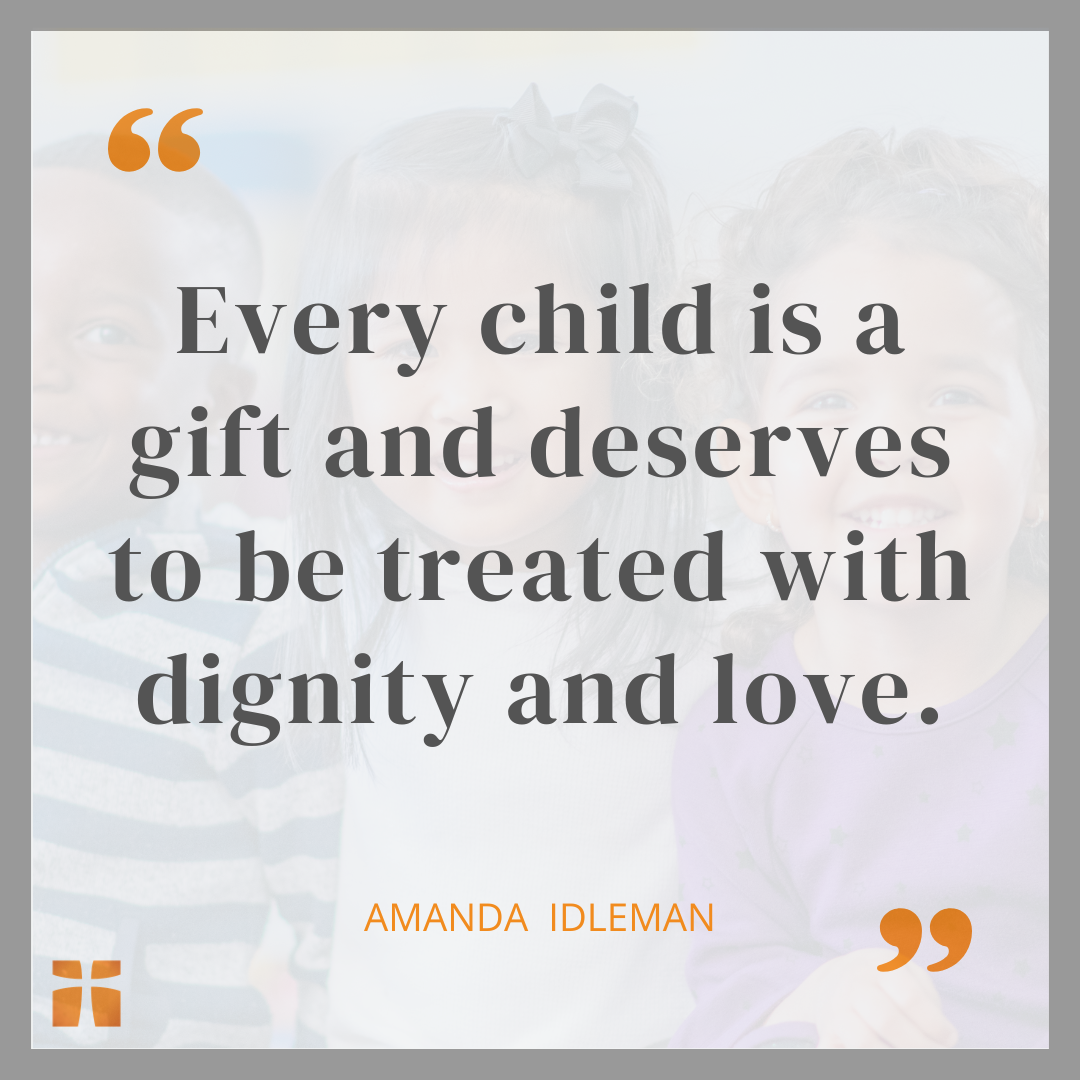
Psalm 139:13-14 states, "For you created my inmost being; you knit me together in my mother's womb. I praise you because I am fearfully and wonderfully made; your works are wonderful, I know that full well.” This scripture gives us the vision we need as we seek to support children in our communities. Every child is a gift and deserves to be treated with dignity and love. Disabilities do not diminish God’s love or purpose.
How Can Christians Pray for Parents Navigating Special Education?
I am the adoptive parent of a child with physical and developmental disabilities. She is young, so our journey as a parent to a child with special needs has just begun, and I share with great honesty that it’s a worthwhile journey that is exhausting in a very unique way that other parenting is not.
I know that when we met her, God told me her name means wisdom, and it is a reminder that loving this child, who would require more from me than I felt ready to give, was true wisdom. God invited me to stand in the gap for her, to come alongside her even when her life hung in the balance, and to love her with His supernatural love. As I’ve stepped into the role of mother for a medically complex child, God has shown me a whole new way of looking at life and given me the ability to glimpse into the way that he loves each child, most especially those whose brains and bodies work differently than their typically developing peers.
This experience has opened my eyes to how hard this work is. The amount of time spent talking to providers, finding resources for your child, the grief that goes along with seeing your child undergo difficulties, and the patience required to love them well is a lot. Parents, including myself, need prayer and help to navigate the complex systems our children need to thrive and to do the daily work of caring for our kids.
As you pray for families in this situation, pray that they will have the wisdom they need for important decisions regarding their child’s health, well-being, education, and future. Ask God to provide clarity amid the changing procedures.
Ask God to provide strength for parents as they face ongoing exhaustion. Pray they would have endurance and hope.
Pray that the church can support families as they navigate all of this and more. Pray that the church is a place that families can find practical help and be proactive in creating environments for children with diverse needs.
How Can Christians Pray for Teachers Serving Vulnerable Students?
Educators, therapists, and support staff invest a tremendous amount of time and emotional energy into helping students thrive. They are also responsible for understanding policies and implementing them in the school setting. Their work is meaningful, and policy changes can increase the workload for these underappreciated professionals.
Pray for strength, understanding, and patience for educators as they walk through these changes. Give them wisdom on when to speak up and on how to advocate for their students. Ask God to guard them from burnout, as they are already working in a very intensive field.
How Can Christians Pray for Policymakers and Government Leaders?
1 Timothy 2:1-2 tells us, “I urge, then, first of all, that petitions, prayers, intercession and thanksgiving be made for all people— for kings and all those in authority, that we may live peaceful and quiet lives in all godliness and holiness.”
Christians are instructed to pray for leaders regardless of our political position. As we pray, we can focus on Biblical principles that can guard our prayers and hearts. We can pray that those in leadership will seek justice and be filled with compassion for those they represent and for those who will be impacted by the decisions they make.
Pray that leaders will act with unity, focusing primarily on meeting children's needs rather than pushing a political agenda. The well-being of vulnerable students should transcend ideological battles. More than anything, pray that God would be sovereign over human institutions. Would God’s will be done on Earth as it is in Heaven.
How Can Churches Support Families with Special Needs Children?
Our prayers and awareness can help move us towards compassionate action. Ask God to open your eyes to how you can practically support families affected by policy changes and caring for a child with special needs.
Churches must begin to consider how to create disability-friendly ministries. Some helpful steps could include creating low-sensory services and groups, ensuring that Sunday school environments are inclusive and prepared to care for kids with special needs, and making sure volunteers are trained to care for kids who need extra care.
Additionally, churches can be intentional about supporting caregivers by offering respite, meals, practical assistance, and friendship.
Christians can advocate with love. We can share our stories, needs, and struggles with grace and truth. Ultimately, we can rest assured that God is our ultimate provider, not the government. We can trust God through these changes.
Educational policies will continue to evolve, and government structures will shift over time, but God’s view of children will never change. Every student deserves dignity, care, and opportunity. As believers, we can begin supporting those affected by these changes with our prayers.
Prayer is not a passive response; it is the beginning of faithful advocacy, practical service, and compassionate presence for families who may feel overwhelmed or overlooked.
Matthew 25:40 states, “The King will reply, ‘Truly I tell you, whatever you did for one of the least of these brothers and sisters of mine, you did for me.” How we care for the most vulnerable matters deeply to the Lord. Our faith calls us to action; we must do what we can to pray for and protect vulnerable children.
Frequently Asked Questions about Christians, Special Education, and Vulnerable Children
- Why should Christians pray about special education changes?
Christians should pray because policy changes can affect vulnerable students, parents, teachers, and the services families depend on for stability and support. - What does the Bible teach about children with disabilities?
The Bible teaches that every person is made in the image of God, which means children with disabilities have full dignity, worth, and purpose. - How can Christians pray for parents of children with disabilities?
Christians can pray for wisdom, endurance, clarity, practical support, helpful advocates, and peace as parents make decisions for their child’s education, health, and future. - How can churches support families with special needs children?
Churches can create inclusive classrooms, train volunteers, offer low-sensory options, provide meals or respite care, and help families feel seen and welcomed. - How should Christians pray for policymakers?
Christians can pray that leaders act with wisdom, justice, compassion, and unity, prioritizing the well-being of vulnerable children above political agendas.
For Further Reading
- Disability Awareness Month and the Imago Dei
- The Benefits of Ministry to the Disabled
- 5 Ways the Church Can Reach People with Disabilities
- 5 Prayers for Parents Raising Kids with Disabilities
- What Should Christians Do When Government Feels Unstable?
Photo Credit: ©Getty Images/Maskot