Key Points
- Deadly earthquakes remind us that creation is still groaning under the effects of sin and brokenness.
- Jesus warns us not to assume tragedy is a direct punishment for specific sin.
- When the earth gives way, Christians can cling to God as our refuge and strength.
- Believers are called to respond to disaster with compassion, prayer, generosity, and practical help.
- Our ultimate hope is that Christ will one day make all things new.
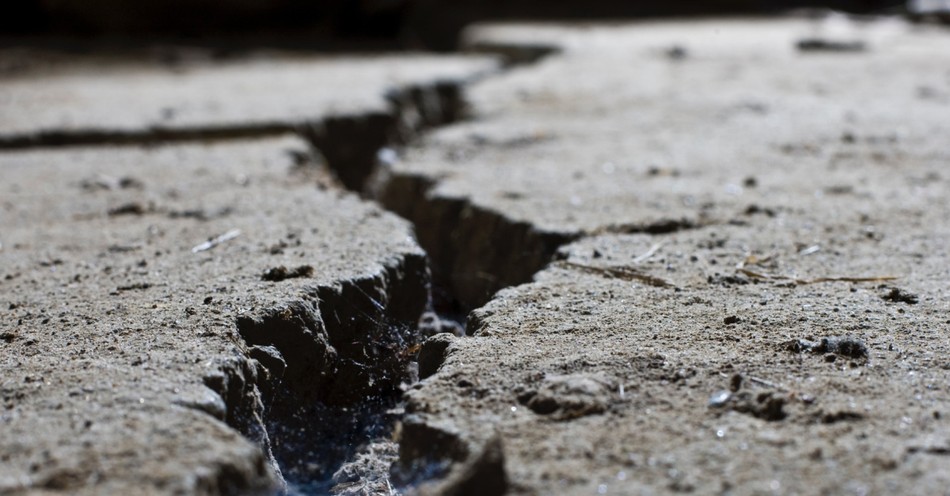
Recently, devastating earthquakes have shaken Venezuela alongside recent seismic activity in California and Japan. In Venezuela, the earthquakes have left many dead, missing, or trapped under collapsed buildings. In an instant, lives were changed forever. The world grieves in the wake of these events. As we observe the aftermath of these natural disasters, we are reminded that our world is still marked by the effects of sin and brokenness. Things are not as they should be.
We often look for answers to the senseless loss that follows disaster. Scripture is a safe place we can go to hear from the Lord as we process these events. The Bible encourages us to respond with compassion, to pray for those impacted, and to offer words of hope to our lost world. The Bible does not promise a life free from tragedy, but it does promise God’s presence in the midst of pain and loss. When the earth literally gives way, those who believe in Jesus can trust that the Lord remains our unshakable refuge.
These tragedies invite Christians to examine our theology and response to suffering. We need a strong faith that can cling to hope even when we observe and experience loss.
Why Do Earthquakes Remind Us We Live in a Fallen World?
Earthquakes, hurricanes, forest fires, floods, droughts, pandemics, and other natural disasters are painful reminders that creation is not yet as God intended. When our world is unexpectedly rocked, humanity is reminded how fragile life really is. These earthquakes reveal to us how quickly our routines, possessions, and lives can change.
The Bible teaches us that creation itself is suffering because of the Fall that invited sin into our world. Adam and Eve disobeyed God by eating from the tree of the knowledge of good and evil. The consequence of their choice was to be banned from God’s safe and perfect garden. The earth would become a place where humans would have to toil to survive and where sin would steal our security (Genesis 3).
Disasters are part of the chaos at work in our world. They are not necessarily a punishment for a specific sin but are a result of our banishment from the protected Garden of Eden that God had created for the first humans to live in.
Romans 8:22-23 states, “We know that the whole creation has been groaning as in the pains of childbirth right up to the present time. Not only so, but we ourselves, who have the firstfruits of the Spirit, groan inwardly as we wait eagerly for our adoption to sonship, the redemption of our bodies.”
Creation groans, waiting for all things to be made new again when Jesus ushers in the end of time, and eventually we experience a New Heaven and New Earth. The Bible reminds us that all creation longs for Christ’s final restoration.
Why Should Christians Avoid Blaming Victims After Disaster?
Scripture cautions us from assigning blame after disasters.
Luke 13:1-5 Jesus explains, “ Now there were some present at that time who told Jesus about the Galileans whose blood Pilate had mixed with their sacrifices. Jesus answered, “Do you think that these Galileans were worse sinners than all the other Galileans because they suffered this way? I tell you, no! But unless you repent, you too will all perish. Or those eighteen who died when the tower in Siloam fell on them—do you think they were more guilty than all the others living in Jerusalem? I tell you, no! But unless you repent, you too will all perish.”
Jesus shifts the conversation away from blaming victims of tragedy to instead examining our own hearts. Jesus emphasizes repentance for everyone! None of us is guaranteed tomorrow. Our lives are fragile and passing. Wisdom invites us to be ready at all times for our last breath. The eternal destination of our souls is only secure when we invite Christ to live in our hearts. Ultimately, our faith requires us to live humbly, recognizing that we do not have control over our world. We have to trust God about things that he has not yet revealed.
How Is God Our Refuge When the Earth Gives Way?
When we are reminded of how unstable our world is, it’s important to revisit the truth that our security has never rested on stable ground but on an unchanging God.
Psalm 46:1-3 declares, “God is our refuge and strength, an ever-present help in trouble. Therefore, we will not fear, though the earth give way and the mountains fall into the heart of the sea, though its waters roar and foam and the mountains quake with their surging.”
Natural disasters are not a new phenomenon. People were grappling with how to respond when these things happened, even in ancient times when the Psalms were written. They saw the earth give way and the mountains quake. Waters roared, and floods swept life away. Nonetheless, the Psalmist calls us to remember that we can be brave and trust the Lord because he is strong! Our home is anchored beyond our circumstances!
How Should Christians Respond to Natural Disasters?
Our first response should always be to love our neighbors. Our questions matter to God. He is not afraid of our why questions, but while we are grappling with God, we can also ask: Who needs help? Who needs prayer? How can I serve? What is one thing I can do to ease the suffering of others?
Some practical steps we can take in response to a disaster include praying for survivors. Each person has the ability to go to God in prayer and ask that he show up in miraculous ways for those who are suffering. We can support trusted disaster relief ministries. Do some research to identify the greatest needs and determine who is doing the best work to meet them. Send money or other items to those in need. We can give generously. Offer our time, money, and resources to help those impacted.
Galatians 6:2 states: "Carry each other’s burdens, and in this way you will fulfill the law of Christ.” When we aren’t sure what else to do, stepping up to carry the burdens of others is the next right thing. Compassion reflects Christ to those who have experienced loss.
How Does God Comfort Us So We Can Comfort Others?
Christians become conduits of God’s comfort. He has called us to be salt and light in this dark world! Being present for survivors is one way God pushes back the darkness so prevalent in our world. Those who have endured hardships have a long road to recovery. Their trauma does not disappear overnight, so as believers, we can help others heal by walking alongside them and reminding them of God’s grace.
2 Corinthians 1:3-4 encourages, “Praise be to the God and Father of our Lord Jesus Christ, the Father of compassion and the God of all comfort, who comforts us in all our troubles, so that we can comfort those in any trouble with the comfort we ourselves receive from God.”
If we have the capacity to support others, then we are to use the grace we are walking in to bless others. We can offer presence, a listening ear, and practical help to others. In God’s Kingdom, we are blessed when we give to others. We are to use our resources for God’s glory.
Who around you is experiencing their own earthquake — whether physical, emotional, financial, or spiritual? How can you be a source of comfort to them?
Why Is Christ’s Promise to Make All Things New Our Final Hope?
Our ultimate hope is that one day Christ will make all things new! The Christian story does not end with disaster but with complete restoration. Earthquakes remind us that this world is temporary, but Jesus promises a coming kingdom where suffering ends. The best is yet to come.
Christians grieve differently in the face of loss because our hope is eternal. Our grief is real, but hope is never lost.
Romans 8:18 reminds us, “I consider that our present sufferings are not worth comparing with the glory that will be revealed in us.”The hope we have is not denial of pain, but it’s a confidence that the pain will not have the final word. God promises us Heaven; this is something that no circumstance can take away from us.
The earthquakes in Venezuela and other disasters remind us that life is fragile. Creation continues to groan under the effects of sin. Thankfully, Scripture consistently points us away from fear and towards faith. We lament for those who mourn, pray for those who suffer, bear each other’s burdens, and still trust God, who is our refuge! While the earth may shake, God’s promises never do.
That truth does not erase grief, but it gives believers a place to stand as we pray, serve, mourn, and hope.
Until the return of Christ, when he will make all things new, believers are called to be a steady witness of God’s compassion, hope, and faithfulness in a world longing for redemption.
Frequently Asked Questions about Faith after Earthquakes and Natural Disasters
- How should Christians respond to earthquakes and natural disasters?
Christians should respond with prayer, compassion, generosity, practical help, and a willingness to carry the burdens of those who are suffering. - Are natural disasters always God’s judgment?
No. Jesus warned against assuming that tragedy means the victims were worse sinners. Disasters should lead us to humility, repentance, and compassion rather than blame. - What does Psalm 46 teach after an earthquake?
Psalm 46 teaches that God is our refuge and strength, even when the earth gives way and everything around us feels unstable. - Why does Scripture say creation groans?
Romans 8 teaches that creation is still suffering under the effects of sin and brokenness while waiting for Christ’s final restoration. - Where is Christian hope during a disaster?
Christian hope is found in God’s presence now and in Christ’s promise that one day He will make all things new and suffering will not have the final word.
For Further Reading
- What Does the Bible Say about Natural Disasters?
- Natural Disasters and the Promise of God’s Restoration
- How Is God Our Refuge?
- Are We Supposed to Carry Each Other’s Burdens?
- How Does God Make All Things New?
Photo Credit: ©Getty Images/Steve Collender