Table of Contents
- Why Does Noah Kahan’s Music Resonate So Deeply?
- Why Are We More Honest About Pain Than Ever?
- What Is the Longing Beneath Noah Kahan’s Lyrics?
- Why Feeling Seen Is Not the Same as Healing
- How Can Christians Listen with Discernment?
- What Does Noah Kahan’s Music Reveal Spiritually?
- Prayer
- Frequently Asked Questions About Choosing What Music to Listen to
- For Further Reading
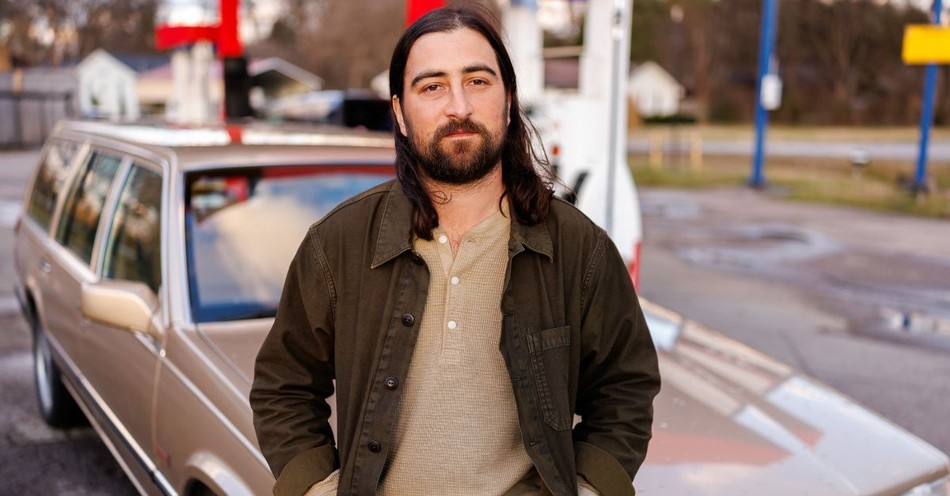
At just 29-years-young, American singer-songwriter Noah Kahan has swept the nation as one of the most pivotal Gen Z voices in the United States. With over 28 million monthly Spotify listeners, the Vermont artist isn’t just a Grammy-nominated voice, but one changing lives. Driven by the success of his 2022 album Stick Season and his 2026 release, The Great Divide, Kahan’s rise to fame has included sold-out shows that relate to the daily small-town struggles of anxiety, depression, and nostalgia. From mental health to numbness, longing, identity, and home, his lyrics share emotional honesty and depth. It seems that, regardless of what kind of music Gen Z is typically drawn to, Kahan’s voice reels them all in with one universal feeling: Why does music that aches feel so comforting?
On the surface, Kahan’s album entertains. It’s trending, catchy, and has a good tune. But this entertainment also exposes something about us. Because what if our obsessions with emotionally raw music are actually a deeper spiritual hunger we don’t know how to name? What if our desire for emotion reveals emotions we’ve been hiding away?
(Noah Kahan’s music resonates because it gives people language for pain, longing, and emotional exhaustion. But this article argues that the comfort listeners feel is not only about being understood. It also reveals a deeper human hunger for grace, healing, and restoration.)
Why Does Noah Kahan’s Music Resonate So Deeply?
Noah Kahan’s music resonates because it captures emotions many people already feel but struggle to name: sadness, pressure, nostalgia, numbness, and the longing to be understood. His lyrics help listeners feel seen. But they also raise a deeper question: is feeling seen enough, or are we ultimately searching for something more healing than recognition alone?
Why Are We More Honest About Pain Than Ever?
In the 21st century, we are more honest about pain than ever. We’ve come a long way from ignoring mental health issues and stuffing down our problems. And this is one of the primary reasons Noah Kahan’s music is trending—he’s able to reflect on and relate to a generation that’s more open about anxiety, depression, and everyday struggles. His lyrics don’t just comfort, but they provide Gen Z with the confidence and ability to say “I’m not okay” in public.
Breaking stigma and learning to name our pain honestly is huge. This is great progress from where we once were. But it also introduces some tension we didn’t have before. Being honest doesn’t automatically equal healing, nor does learning to express ourselves equate to total transformation. Yes, Kahan’s themes help us recognize feeling stuck, but when we escape and find no relief, we’re still left in the dark. Because we’ve learned how to voice pain, but not how to redeem it.
In many of the Psalms and the book of Job, we see a similar trend. Both David and Job were honest about their pain and suffering. They show us what it means to truly lament and sit with others in their pain. But the biggest difference between these scriptures and Kahan’s trending music is that biblical lament moves toward God, not just deeper into ourselves. Yes, it’s important to help us heal. Yes, we must become self-aware. But we must not forget God in the process. We must not allow our pain to permanently overtake our vision.

What Is the Longing Beneath Noah Kahan’s Lyrics?
Behind most of Kahan’s songs, and our pain is a desire for three things:
- We want to be known.
- We want to be forgiven.
- We want to experience relief.
While Kahan’s album may not explicitly state any of these themes, his lyrics reflect deep messages of desiring relief from things like shame, pressure, or pain. And this is where the message of grace comes into the picture. Biblically speaking, grace is unmerited and undeserved. It’s unearned acceptance and rest from striving. This starkly contrasts with our world and culture, which tells us to cope by numbing, escaping, or learning to better define ourselves. While these methods might work temporarily, they still leave a hole in our souls. Why? Because they rarely offer true forgiveness or the soul-level rest our minds and bodies actually need.
The Gospel, on the other hand, speaks directly to this ache. It’s why Matthew 11:28-30 tells all of us to come to Him when we’re weak, weary, burdened, and heavy-laden. Romans 8:1 says it this way: “So now there is no condemnation for those who belong to Christ Jesus” (NLT). This world will continue to provide temporary solutions for permanent problems, but what if what sounds like sadness is actually a deeper cry for grace? True mercy? Absolute forgiveness? To be known, seen, and loved beyond what this world can offer?
Why Feeling Seen Is Not the Same as Healing
While there’s nothing inherently wrong with listening to Noah Kahan’s music, we have to remember that eternal healing requires more than feeling seen; it requires being known and restored. Kahan’s music does make people feel seen, understood, and less alone in their struggles. I enjoy a few of his songs from time to time, too! But while being seen is powerful, it’s not the end goal. We want to be validated, and we need to be, but we must also be transformed. We want to be made aware, but we must move from awareness to restoration.
Friends, Jesus validated and was aware. He was empathetic and kind. But He also heals, restores, and renews in a way no human being on this earth can. Ultimately, God meets us in our pain, but He doesn’t leave us there. Healing isn’t instant, even when you believe in Jesus. It will take time and probably look different from what you anticipated. But it’s directional. There is movement from brokenness to wholeness in Christ because we don’t just need someone to understand our pain, we need someone who can redeem and restore it permanently.
How Can Christians Listen with Discernment?
Christians do not need to fear emotionally honest music, but they do need to listen with discernment. A song may help us name pain without actually healing it. It may validate what hurts without leading us toward hope. The question is not only whether music is relatable, but whether it is shaping us toward truth, grace, and restoration or keeping us circling the same ache without redemption.
What Does Noah Kahan’s Music Reveal Spiritually?
Behind the trending tunes, Noah Kahan is making a cultural impact. His albums reflect a generation hungry, searching, and hurting. But the hunger isn’t random; it’s spiritual. Because the ache points to the missing hole in our soul. And maybe the reason these songs and stories stay with us is that they’re echoing a deeper invitation we haven’t fully answered. Before jamming out to The Great Divide, I challenge you to ask yourself these questions. Talk to the Lord about them openly and take time to meditate on what He’s speaking to you:
- Where am I being honest about pain, but avoiding true healing?
- What am I turning to for comfort, and is it actually restoring me?
- Have I allowed God into the places I only talk about with others (or through music)?
- Am I listening to this music for enjoyment or to numb what I’m feeling inside?
As you sit with God in these questions, learn to replace constant noise with moments of stillness. It’s challenging at first to stop the music and the scroll, but seeking spiritual, practical support is never wasted. And if you find these questions too troubling, seek support from your community, a trusted counselor, or a friend.
A Prayer for Relief
Dear Jesus,
Today, I come to you and name my pain. You see the parts of me that feel heavy, stuck, abandoned, and unseen. I ask you not just to heal me, but to provide lasting and eternal relief. I don’t just want to cope, I want to receive your healing. Please meet me where I am and show me how to go beyond what I’m feeling. Remind me that I’m not beyond your mercy, and you’re here for me. Lead me towards the steps of wholeness, one step at a time. I love, trust, praise, and thank you, Jesus.
Amen.
Frequently Asked Questions About Choosing What Music to Listen to
- Why does music like Noah Kahan’s connect with so many people?
His music connects because it gives honest language to emotions many listeners already feel, including sadness, anxiety, longing, and weariness. - Is it wrong for Christians to listen to emotionally heavy music?
No. The article itself wisely says there is nothing inherently wrong with listening to Noah Kahan’s music. The deeper question is whether what we are turning to is helping us move toward healing and truth. - Why does sad music sometimes feel comforting?
Sad music can feel comforting because it helps people feel seen, understood, and less alone in their pain. - What does the gospel offer that music cannot?
The gospel offers more than validation. It offers grace, forgiveness, redemption, and restoration through Jesus Christ.
For Further Reading
- What Does it Mean to Lament? Definition and Bible Meaning
- Why Do Strong Believers Weep and Wrestle with God?
- 5 Psalms of Lament to Remind Us We Are Not Alone
- How Jesus Holds Us Steady through the Painful Storms of Life
- 8 Important Ways for Christians to Care for Their Mental Health
Photo Credit: ©Getty Images/Christopher Polk / Contributor