
Have you ever left the theater spiritually disgusted by the relentless footage of characters slandering God’s name, whether blatantly or through their self-destructive habits that script writers ultimately glorify? I’m afraid our culture has masked villains as heroes, and they too easily pull off their disguise by burying their deceptive intent with laughs, high action, addictive sex scenes, and all life’s “fun” things—no consequences attached.
As we look at 2025’s top ten films, it’s impossible to deny our culture’s draw to the modern Gatsby life, this sort of grand party where everything sparkles and shimmers and swings from the walls until the house lights turn on and we must return home with nothing and no one but the person we know and like the least, ourselves.
Let’s look at Time Magazine’s top ten 2025 films to discover the thoughts and themes that prove detrimental to our souls:
Photo Credit: ©GettyImages/batuhan toker

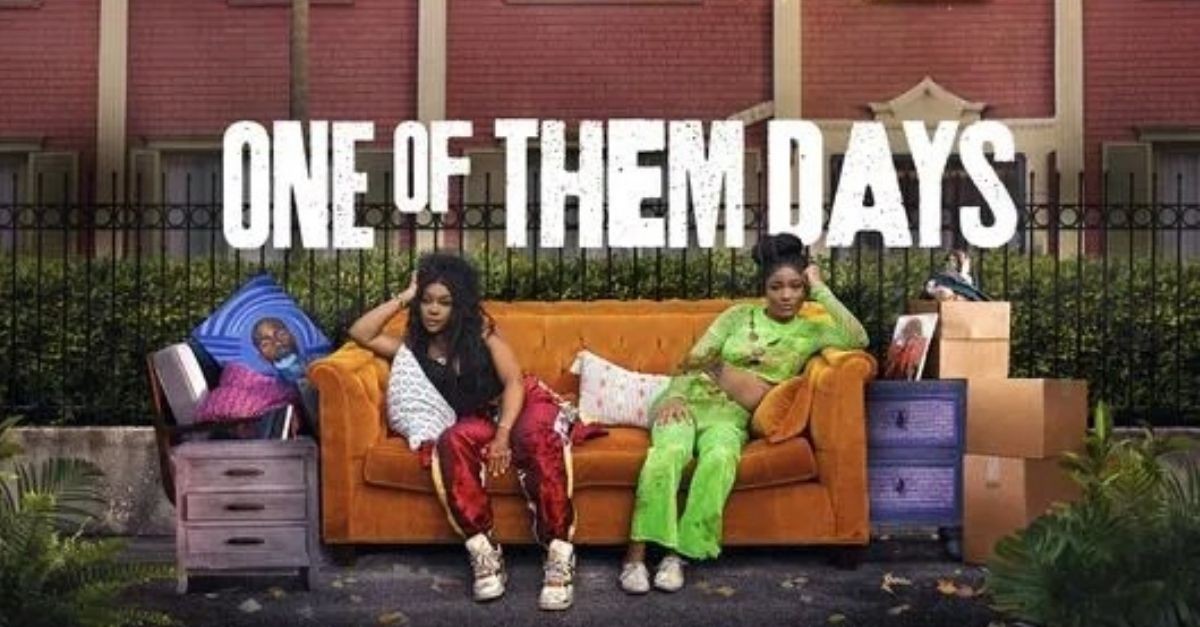
10. One of Them Days
I’m a '90s kid who latched on to Hollywood star Keke Palmer when she was the lead voice for Disney’s 2001 hit cartoon, The Proud Family. However, as the story often goes, Disney stars become vulnerable teens in the hands of a subtly evil film industry, where sexual abuse and wicked spiritual practices dominate the lives of creators, directors, and producers. Eventually, naive youth are easily swayed, compromising any sense of healthy faith and family values to pursue their acting dreams.
So it’s no shock when I see a grown Keke Palmer starring in a rags-to-riches film that, though comedically portrayed, is packed with foul language and blatantly disrespectful lines targeting the Christian faith.
It seems our society has grown so bored with true empathy, which calls for a character’s stalwart morality, that we settle for sin’s entertainment. We now need the cursing and slandering to connect with those who struggle with everyday finances. Why can’t life-challenging, soul-purifying empathy be captivating enough?
Photo Credit: Facebook/One of Them Days Movie
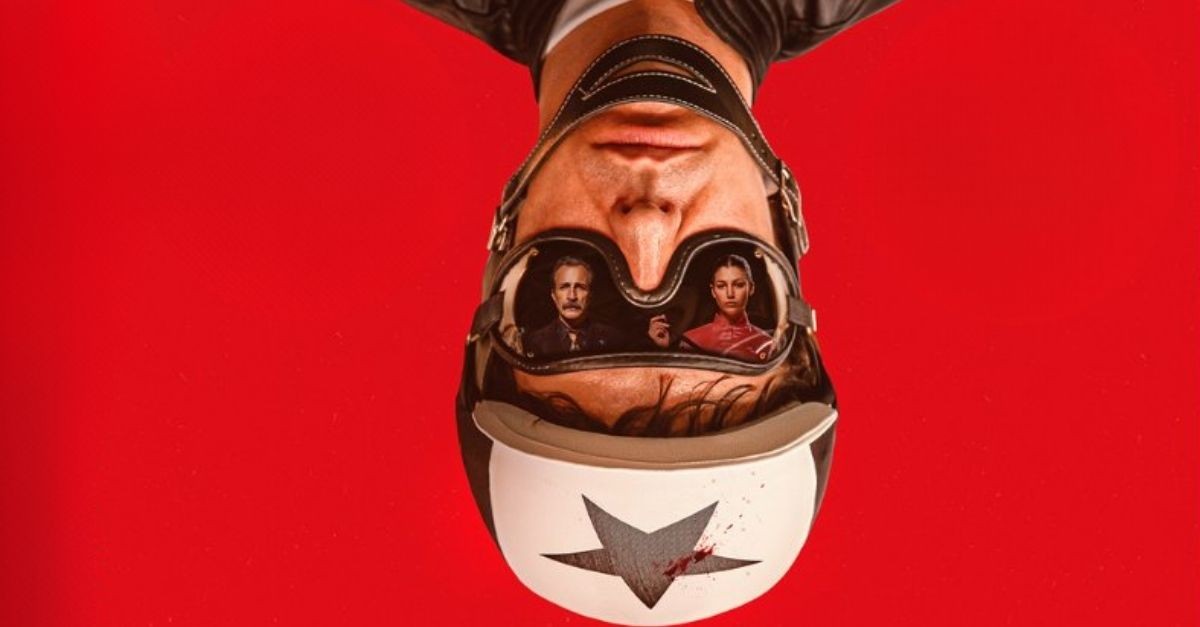
9. Kill the Jockey
This European film follows a horse jockey who is left with a nasty head injury after a sketchy accident. After he wakes with amnesia, he disguises himself as a woman and finds contentment in his lie.
Friends, we are so hung up on searching for our “identity” that we fail to recognize it was instilled inside us from conception. We don’t need more disguises, creative lies, and biological shifts to “find” who we are.
There’s no need to find what’s never been lost, what has been preserved by the God of heaven.
May we remember that while most scripts hinge on self-discovery, fulfillment will never be found and sustained through outside means.
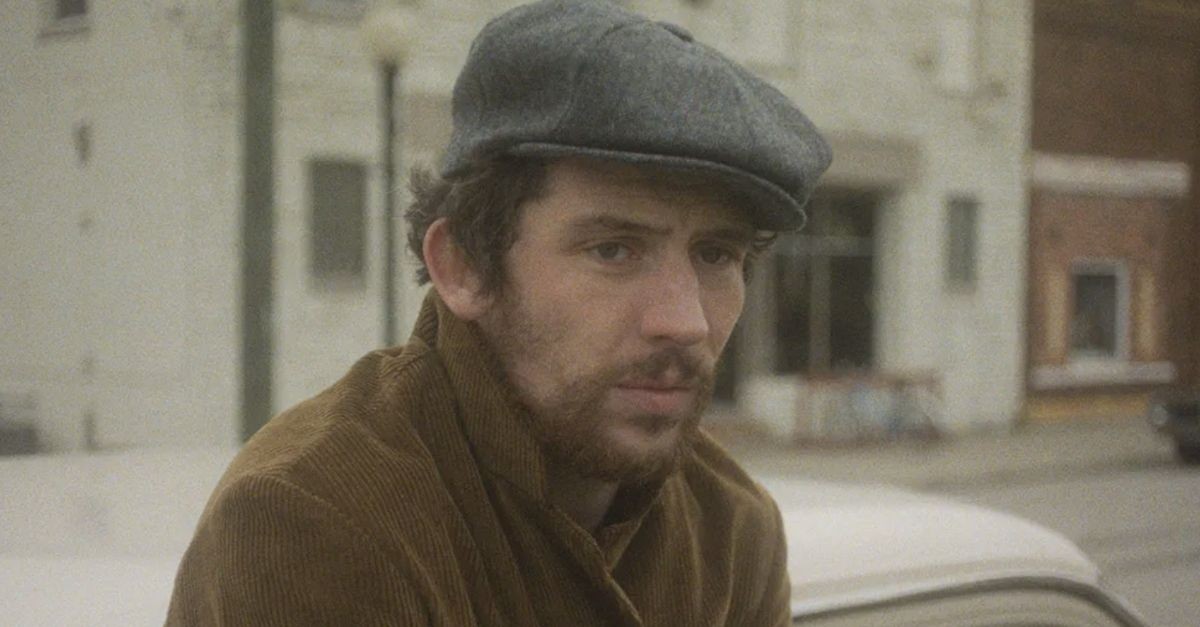
8. The Mastermind
Josh O’Connor is an art school dropout who decides to become an art thief… all in a hazy claim to provide for his wife and children.
Time portrays O’Connor’s character as “gently funny and heartening.” While it’s important to address the human element in any situation, as desperate times can make people do desperate, irrational, and even wrong things, it’s hard to morally justify stealing prized paintings.
It’s a slippery slope to make too much sense of blatantly immoral decisions. There’s a fine line between recognizing why a person would respond in an immoral way and identifying their behavior as acceptable and comedic.
Do we need sinners to create plots? Yes! How else would we follow Shakespeare's five-step plot structure without some great tragedy, often human-produced, that requires character refinement (or destruction) and plot resolution? We wouldn’t.
But if our end goal is to cushion sin so a plot doesn’t make viewers wrestle with their flawed nature, the art of filmmaking has been watered down to people-pleasing.
Photo Credit: Facebook/Style Weekly
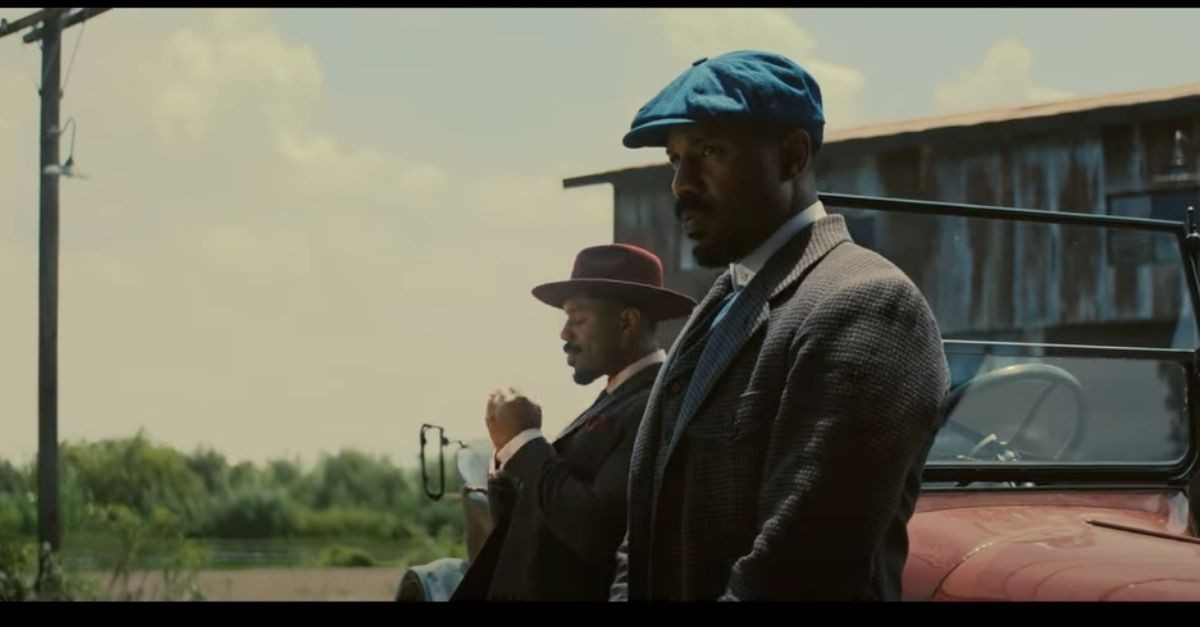
7. Sinners
It’s hard to ignore any film starring Michael B. Jordan, especially after his back-to-back-to-back hit roles in Black Panther, Just Mercy, and the Creed series. Likewise, it’s hard to ignore the moral decline of a film with this title.
Jordan plays twin brothers who survived World War 1 and the rough streets of Chicago to return to their hometown in Mississippi to open a juke joint. But when a band of villainous white musicians shows up, it’s a sexualized, extra-violent musical turf war, exposing the raw sins of human beings, and the occasional glimpses of the hope and unity we only wish we could achieve.
We can’t shy away from the undeniable violence that history has made clear. That would do no one justice. But the grossly sexual elements pull away from the unfortunate sides of reality that should take priority and make the script a realistic depiction of a dark, sad time in history.
Photo Credit: Facebook/Warner Bros.

6. Roofman
I was once a 2010 teen drooling over the idea of Channing Tatum in any film, regardless of the plot. However, as I’ve grown older and noticed the less-dreamy aspects of Hollywood and the deception that’s too easily paired with looks, Tatum has become more of an immature, aimless actor, in my eyes, at least.
Roofman is one of his typical films. He’s a hottie with a bad boy reputation, and the filmmakers are dying for you to root for him, regardless of whether or not his character ever experiences transformation. But this film takes it further than reputation. Tatum is playing the role of a real man who really robbed fast food restaurants and used his charm and deception to hurt everyone in his path. (This “everyone” includes a lady he meets in the Christian church… who quickly compromises her religious values to win over the robber.)
Lovely.
Hollywood pitches this as a story of empathy, one in which we should recognize how hard it is for a man to provide, which explains his habitual robberies, lies, and prison-escaping escapades… right?
This is a perfect depiction of modern culture, allowing ideas of inclusivity, empathy, and understanding to disregard the damage of sin. On the surface, it’s cute, especially when those involved are physically appealing, but how long can we justify inclusivity when sin never leaves us without destruction?
Photo Credit: Facebook/Roofman Movie
5. Peter Hujar's Day
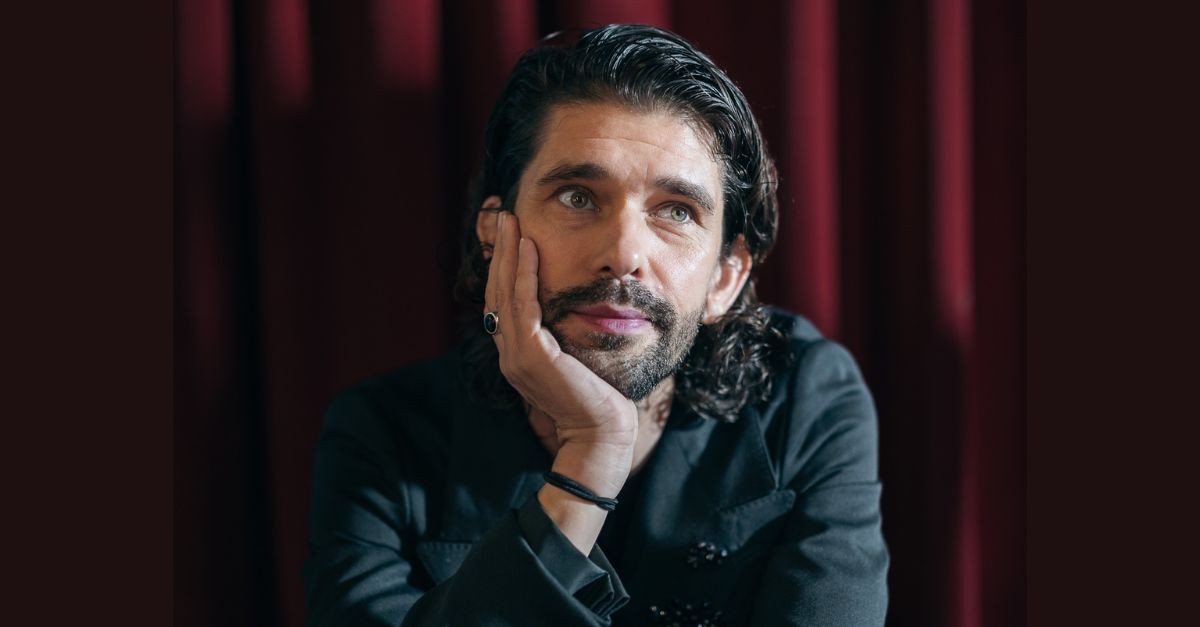
This film follows the life of Peter Hujar, a photographer who would become famous after his death. The plotline wants viewers to recognize the beauty of life’s in-between moments, how the important things happen without cameras and fame. This is a nice sentiment, but when the photographer dies a considerably young death from AIDS-induced pneumonia, most likely caused by his many sexual relationships with men, it’s no longer about the beauty of simple moments but the ugly reality that sin doesn’t leave us unscathed.
Much like Kill the Jockey, Peter Hujar’s Day is Hollywood’s attempt to normalize and even celebrate sin. The more casual we are as believers regarding social and cultural sins that we are told are biological norms, the more we will see the eventual mental, physical, and spiritual destruction of those we should love in truth.
4. Sentimental Value
The film title sounds nice. Time’s glossy summary of the plot sounds sweet. But there’s much more to this film than sweet sentiments.
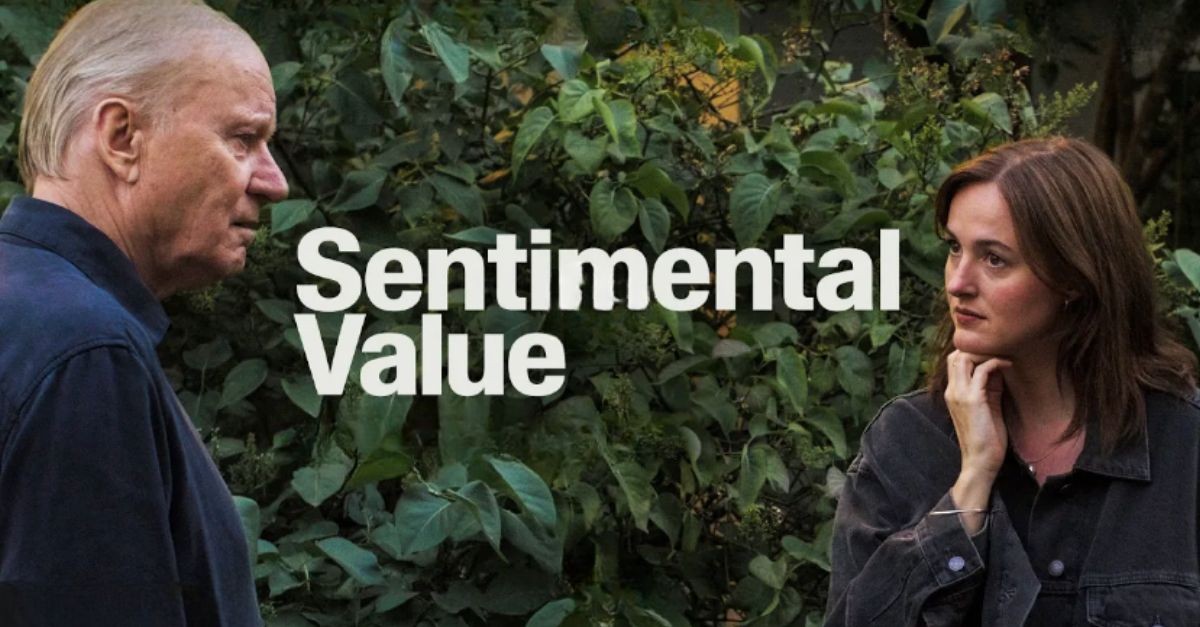
In the name of “typical” family woes, Sentimental Value follows two sisters who must return to their family’s estate following the death of their mother, only to relive all the memories, good and bad, in the house. Nora, the main sister, must wrestle with her estranged father, who comes back into her life with a script he’s written for her to play.
As the plot continues, Nora struggles with this new opportunity for reconciliation and stage time, and while we can applaud Nora’s desire to discern what is right regarding this fractured relationship, it’s hard to support her moral compass that doesn’t want to work when she happily consents to a sexual, arms-distance relationship with a married man.
Aside from the Holy Spirit, true discernment is impossible, as it’s seeking self for answers, when self is already proven to be guided by confusion, temptation, and feelings.
Photo Credit: YouTube @NEON/SENTIMENTAL VALUE OFFICIAL TRAILER
3. Blue Moon
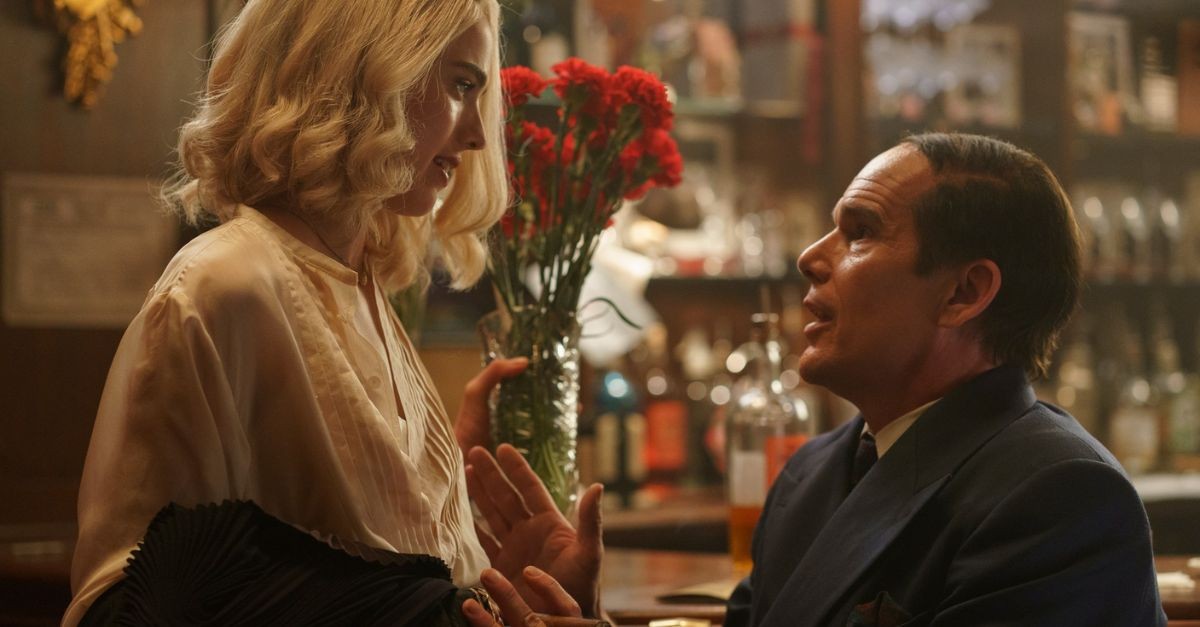
Plenty of people love the musical Oklahoma!, but the behind-the-scenes life of its creators is a little less whimsical. Blue Moon follows one of the creators, Lorenz Hart, as he ducks the play’s opening night to deal with the abandonment he has felt from his cocreator. But “dealing” with the situation includes booze. Booze. Booze. And omnisexual relationships, which, apparently, are relationships with anything, anywhere.
That’s it. That’s the plot. And Hollywood calls it a winner.
Need I say more?
2. An Officer and a Spy
The one film in this batch that left me hopeful regarding American society’s ideas of movie excellence left me nauseated once I discovered its creator and his backstory. Bummer.
This 2019 film finally made its American debut this year, portraying the 1894 story of French Captain Alfred Dreyfus, who was accused of high treason by providing military information to the Germans. He is sentenced to exile, but it’s an uneasy sentence given his Jewish status. A year later, Georges Picquard, a former teacher of Dreyfus’, becomes the head of France’s secret security, and once he discovers that all the puzzle pieces of Dreyfus’ guilty sentence don’t fit, he is determined to prove the man’s innocence.
To this day, both sides continue to hold fast to their stance concerning Dreyfus’ guilty or innocent status. And on the surface, this sounds like a fascinating historical drama. However, the film’s maker, Roman Polanski, released the film in France in 2019 because he is not welcome in America because of a state-side crime he was found guilty of. The crime? Rape.
Some claim this film to be a parallel to his own cry for innocence, and while none of us know the true heart and intentions of any man, I’m not sure I could enjoy any aspects of this movie knowing the director’s personalized undertones.

1. Nouvelle Vague
This film is a tribute to filmmaker Jean-Luc Godard, as he created the 1960s film Breathless, which many call a movie masterpiece. It has all the Gatsby affects, though, with reviewers noting a primary theme of pleasure. While Breathless is said to have turned the tides of films, Nouvelle Vague is simply another reminder of the habitual cycle of lavish, sensual sin.
Perhaps this top ten list is more of a what-not-to-do guide regarding morality, and it’s certainly an unintended reminder that, apart from the conviction and life-changing power of Christ, humans are relentlessly selfish, messy, and self-destructive.
While I recognize that we can’t have much of a plot apart from man’s poor decisions (accidental or not), perhaps believers can be bolder in demanding that entertainment be less of a sensual high and more of a showcase of redemption.
Photo Credit: Nouvelle Vague | Official Trailer | Netflix via YouTube

Originally published Monday, 29 December 2025.

Was this resource helpful? Add Christianity.com as a trusted source for Biblical content.