
This past week, I was blessed to be on Jon Seidl’s podcast, Confessions of a Christian Alcoholic. We talked about eating disorders, modern-day addictions, and Gen Z sobriety. While this generation is drinking less and sobriety is trending, I’m not sure we should celebrate just yet.
According to Barna, nearly 50% of all mental illness symptoms appear by age 14, but 75% appear by age 25. Gen Z may be drinking less or currently choosing sobriety, and this is great and hopeful! But, they’re still overwhelmed, anxious, and searching for ways to cope. Sobriety alone doesn’t solve the deeper issues driving people to escape in the first place.
If Sobriety is trending, how should we as Christians respond? More importantly, what does this say about society?
Why Is Sobriety Trending in America?
Because of “fitspiration,” “skinnytok,” and other leading trends, this generation is obsessed with health and wellness. More than any other generation, Gen Z is becoming increasingly aware of mental health—and this is good! They desire clarity, emotional regulation, and processing rather than numbing or getting drunk to avoid their emotions. With less interest in hangover culture, they’re pursuing practices like meditation, mindfulness, and yoga.
Coined as the “Sober Curious” Movement, people are beginning to question alcohol’s role in their lives. According to author and podcaster Meade Holland Shirely, this movement is fueled by 3 core questions:
- Why do I drink?
- Do I like how it affects me?
- What might life look like without it?
“For many Christians, the decision to stop drinking—or to take a break from it—isn’t about following a rule. It’s about opening up space to hear from God more clearly. Alcohol may not be a sin, but it can become a spiritual distraction, numbing our ability to feel, respond, and grow.”
Beyond seeking spiritual clarity or direction, Gen Z’s decision to be sober curious is also heavily influenced by social media. Media like TikTok and Instagram trend around sober lifestyles, making it appealing and popular. From mocktails to wellness routines or fitness practices, for many young adults, sobriety is less about morality and more about mental and emotional health.
Meade explains this phenomenon well: “Many people use alcohol to 'take the edge off,' especially in seasons of stress or anxiety. But more and more research—and real-life experience—shows that alcohol often amplifies anxiety, disrupts sleep, and dulls emotional resilience over time. Christians who are sober curious are recognizing that stewardship of their mental health is part of their spiritual responsibility. As we’re called to love God with heart, soul, mind, and strength (Mark 12:30), that also means taking honest stock of what helps us thrive—and what might be quietly holding us back.”
Sobriety Doesn’t Automatically Mean Healing
Despite its popularity, it’s important to note that sobriety doesn’t automatically equate healing. In other words, removing alcohol doesn’t automatically remove pain, anxiety, loneliness, or trauma. It doesn’t erase proven statistics, human history, or science.
Gen Z still reports the highest anxiety and depression rates of any generation. And many young adults are still coping through unhealthy means: excessive screen time, pornography, workaholism, avoidance, excessive exercise, food, eating disorders, and binge-watching shows on Netflix.
The deeper question here isn’t just “Are we drinking less?” but “Are we actually healthier?” So while choosing to be sober is wonderful, it doesn’t reduce the concern for other mental health struggles. In addition, we must remember that while one may choose to be sober curious in their early twenties, that struggle could still later pop up in later adolescence.
What Does the Bible Actually Says About Alcohol?
For years, much research has existed on what the Bible actually says about alcohol. I believe that one can enjoy the taste of it and not get drunk. However, alcoholism runs in my family, and so I’ve chosen to never drink.
Meade explains the complicated relationship between Christians and alcohol in this way: “Christian theology and alcohol have always been held in delicate tension. On one hand, Jesus turned water into wine at a wedding (John 2), and Paul encouraged Timothy to take a little wine for his stomach (1 Timothy 5:23). On the other hand, Scripture clearly warns against drunkenness, excess, and allowing anything to master us (Ephesians 5:18, 1 Corinthians 6:12). Today, many Christian communities embrace a cultural norm of "moderation." But that approach doesn’t always work for everyone—and for some, it masks a deeper internal conflict.”
Let me be clear: the Bible doesn’t universally ban alcohol. Jesus did turn water into wine, and wine appears numerous times throughout the Scriptures. However, the Bible does clearly warn against drunkenness. Drunkenness leads to loss of self-control, and it can distort judgment while harming others. Joel Engle, author and pastor, notes: “While the Bible acknowledges that wine can have its place, it unequivocally condemns drunkenness due to the myriad dangers it poses to both spiritual and physical health. Christians are called to exercise self-control and live in a way that honors God, avoiding the pitfalls of excessive drinking and its destructive consequences.”
God cares less about cultural trends and more about wisdom, self-control, and the condition of our hearts. This matters to all Christians, regardless of your choice to drink or not, because sobriety isn’t just a trend: it’s a path toward clarity and stewardship of our lives. Those seeking lasting change. Holiness. A better way forward. A more present way into the future.
Should You Pursue Sobriety?
Pursuing sobriety may not have all the answers, but it can create space for:
- deeper relationships
- emotional awareness
- spiritual growth
- fellowship with others
- healthy independence
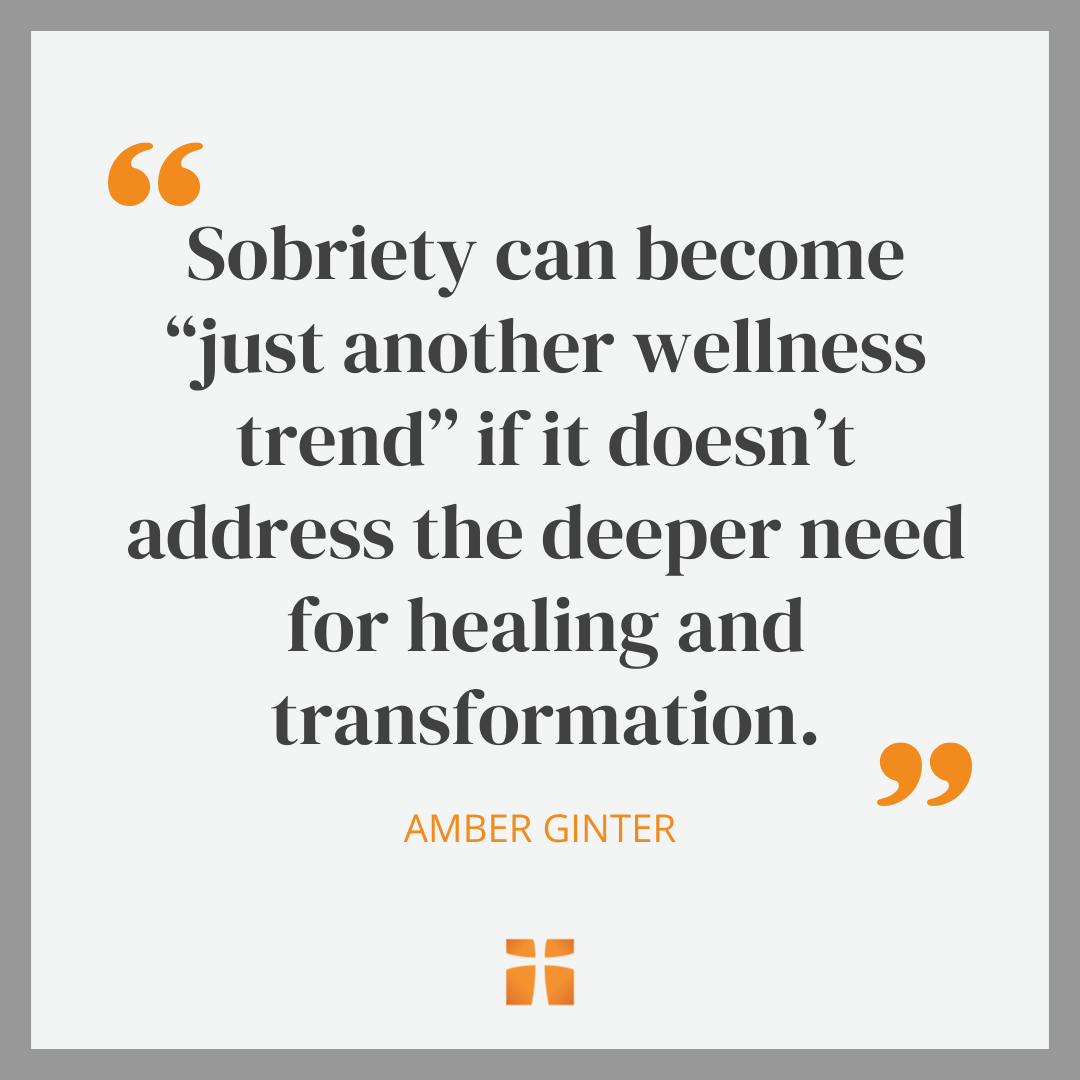
However, all Christians should keep one precaution in mind: Sobriety can become “just another wellness trend” if it doesn’t address the deeper need for healing and transformation. The deeper need for Jesus and His healing that surpasses all temporary fads and trends.
Friends, Gen Z isn’t just asking: “Should I drink?” They’re asking:
- How do I deal with anxiety?
- How do I deal with panic attacks?
- How do I escape emotional pain?
- How do I process my emotions without them overwhelming me?
- How do I feel okay in my own mind?
- How do I find practical biblical hope for my depression?
Historically, alcohol has been one way people tried to answer those questions, but now, many young adults are looking elsewhere, and that can be a good thing.
Sobriety can be a good first step, but remember, friends, it isn’t the final answer. Faith will always offer something deeper: peace beyond circumstances, healing for emotional wounds, and a healthier way to cope with suffering. Galatians 5:22-23 explains what the Holy Spirit offers us as the fruit of the Spirit, graciously given to all who believe:
“But the fruit of the Spirit is love, joy, peace, forbearance, kindness, goodness, faithfulness, gentleness, and self-control. Against such things there is no law” (NIV).
Gen Z drinking less and choosing sobriety is encouraging, but the real work is helping them find healthy ways to process pain, anxiety, and loneliness. Sobriety may be trending in 2026. It probably will be in 2027, too. But what this generation is searching for isn’t just sobriety—it’s peace, purpose, and healing. And those are things no trend can provide.
Photo Credit: ©Unsplash/Quan Nguyen