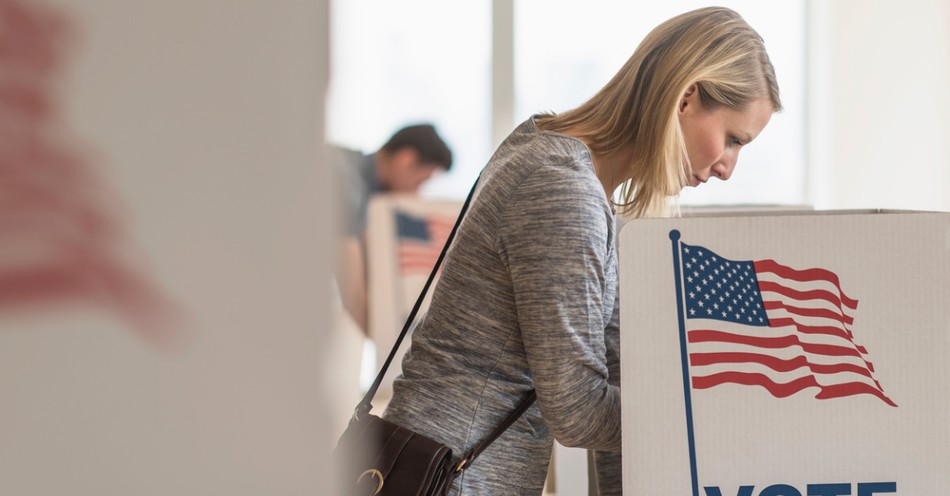
The recent midterm election results sent an unmistakable message across the country. It was a vote of no confidence. Voters watched politicians stand on stages and make promises, only to abandon those commitments once they secured their positions. The American electorate has a deep intolerance for broken trust. For a political leader, staying true to the word you campaigned on is the most important currency. Once that trust is broken, effective leadership becomes nearly impossible.
That cultural moment speaks directly to the local church. Keeping your word is a defining characteristic of a Christ follower. So we have to look at our own lives and ask hard questions. Can the people God has entrusted us to lead count on us? Can they count on our word? Can they count on our integrity in private conversations and in the public eye?
Those questions lead us to the fruit of the Spirit. In Galatians 5, Paul includes faithfulness among the qualities the Holy Spirit produces in our lives. The fruit of the Spirit is the character of Christ, made visible in us as we walk by the Spirit. That means faithfulness is spiritual. It is evidence that Jesus is shaping how we live and lead.
Jesus was faithful to the Father when crowds celebrated Him, when people misunderstood Him, and when His closest friends abandoned Him, all the way to the cross. As His followers, we are called to reflect that same character. We may never hold public office, but our homes, workplaces, and churches need leaders whose word is true.
Here are three places where that faithfulness must take shape.
1. Faithfulness Is a Disciplined Daily Decision
Faithfulness means being dependable. People can rely on us because our actions consistently honor our commitments. Most importantly, it means staying committed after the emotions that inspired the commitment have faded.
Most of us know what it feels like to begin something with massive excitement. A new assignment or fresh vision makes us ready to give everything we have. Then the actual work gets complicated. Progress slows to a crawl. The responsibility we prayed for begins to feel heavy.
That is the moment faithfulness becomes a decision. We decide to keep our word. No one should have to wonder which version of us will show up.
Living with that kind of commitment is difficult. We cannot sustain it through sheer willpower. When we are exhausted or facing hard circumstances, it is easy to go back on our word, take shortcuts, or abandon our promises. That is why Paul calls faithfulness a fruit of the Spirit rather than a product of human effort. Start each day with a simple prayer, asking the Holy Spirit to help you honor your word. Ask Him for patience when you are frustrated and courage when you are tempted to withdraw. As we depend on Him, He supplies the strength to remain faithful.
2. Faithfulness Grows Where No One Is Watching
In Luke 16:10, Jesus delivers a profound truth about human nature. Whoever can be trusted with very little can also be trusted with much. Notice where the principle begins: with very little.
We often imagine the greatest tests of character arrive in the biggest moments. The endless election cycle conditions us to believe integrity is all about visibility. But much of our character is formed in ordinary decisions that receive no attention at all. Faithfulness is often unseen and unappreciated. It is built in the mundane parts of life nobody applauds.
It grows when we follow through on something we promised a coworker behind closed doors. It grows when we give credit for someone else’s hard work instead of claiming it as our own. It develops when we handle confidential information with care and refuse to participate in gossip. It takes root when we tell the whole truth, even when a more convenient version would make us look better.
One of the biggest tests of faithfulness is what we do when no one is watching. When there is no recognition to gain, will we still do what is right? When nobody would ever know we cut a corner, will we still honor the trust we have been given? God sees those private moments. Those unseen places are where the Holy Spirit forms us into people others can truly trust.
3. Faithfulness Stewards What God Has Entrusted
The political arena is infamous for officials who neglect their current position because they are already plotting the next campaign. It creates a culture of ambition that bypasses present responsibility.
There is a challenge here that every believer needs to carry. Do not expect God to bless what is next while neglecting what He has entrusted to you now.
We all have aspirations. We pray for greater opportunities, new seasons, and answered prayers. It is good to dream and to ask God to expand our capacity. But we can become so fixated on the next phase of life that we grow careless with our present assignment. The people standing in front of us deserve our focus. Before we ask for more, we should ask how well we are stewarding what God has already placed in our hands.
In Matthew 25, Jesus tells a parable about servants entrusted with their master’s resources. When the master returns, he praises a faithful servant for his stewardship of little and puts him in charge of much. The servant’s faithfulness mattered to his master.
God may call some of us to serve faithfully in the same quiet place for many years. The reward is the relationship at the heart of our service. We ultimately want to please the One who entrusted us with the work.
Final Thought
Elections reveal how deeply people desire faithful, trustworthy leaders. When promises break, cynicism spreads. When people keep their word, trust flourishes and communities thrive. As followers of Jesus, we are called to be people whose word is true.

Before becoming president of SEU, Dr. Ingle held leadership positions in higher education, pastoral ministry, and the nonprofit sector. He is widely recognized as an expert in organizational turnarounds, having successfully led teams through transformational change in Los Angeles, Chicago, and Seattle.
Prior to entering professional ministry, Dr. Ingle spent a decade as a television sports anchor for NBC and CBS affiliates, beginning his career at the age of 18 in Bakersfield, California, and concluding in Los Angeles. During his career, he covered major professional sports teams and interviewed iconic athletes including Michael Jordan, Magic Johnson, Kareem Abdul-Jabbar, Pete Rose, Muhammad Ali, and Carl Lewis.